 blog
7 Signs Your Carpet Needs Professional Deep Cleaning
Table of Contents
- Persistent Odors That Vacuuming Won't Eliminate
- Visible Stains and Discoloration That Resist DIY Cleaning
- Matted, Flattened, or Stiff Carpet Fibers
- Dark Traffic Patterns and High-Traffic Lines
- Increased Allergy Symptoms and Sneezing Indoors
- What Happens During the Professional Carpet Cleaning Process
- Professional Carpet Cleaning Drying Time and Aftercare
- How Often to Professionally Clean Carpet for Best Results
- Frequently Asked Questions
Last Updated: October 10, 2026
Persistent Odors That Vacuuming Won't Eliminate
When your carpet smells bad no matter how often you vacuum, that's one of the 7 signs your carpet needs professional deep cleaning. Regular vacuuming removes surface dirt, but embedded odors trapped deep in the fibers and padding remain.
Pet accidents, spilled drinks, and foot traffic create odors that live below the surface because moisture and organic material soak into the carpet backing and subfloor, beyond what vacuuming can reach.
Store-bought sprays mask odors temporarily; the smell returns because embedded dirt and moisture remain. Professional hot water extraction and truck-mounted equipment reach deep into fibers where household methods cannot.
Visible Stains and Discoloration That Resist DIY Cleaning
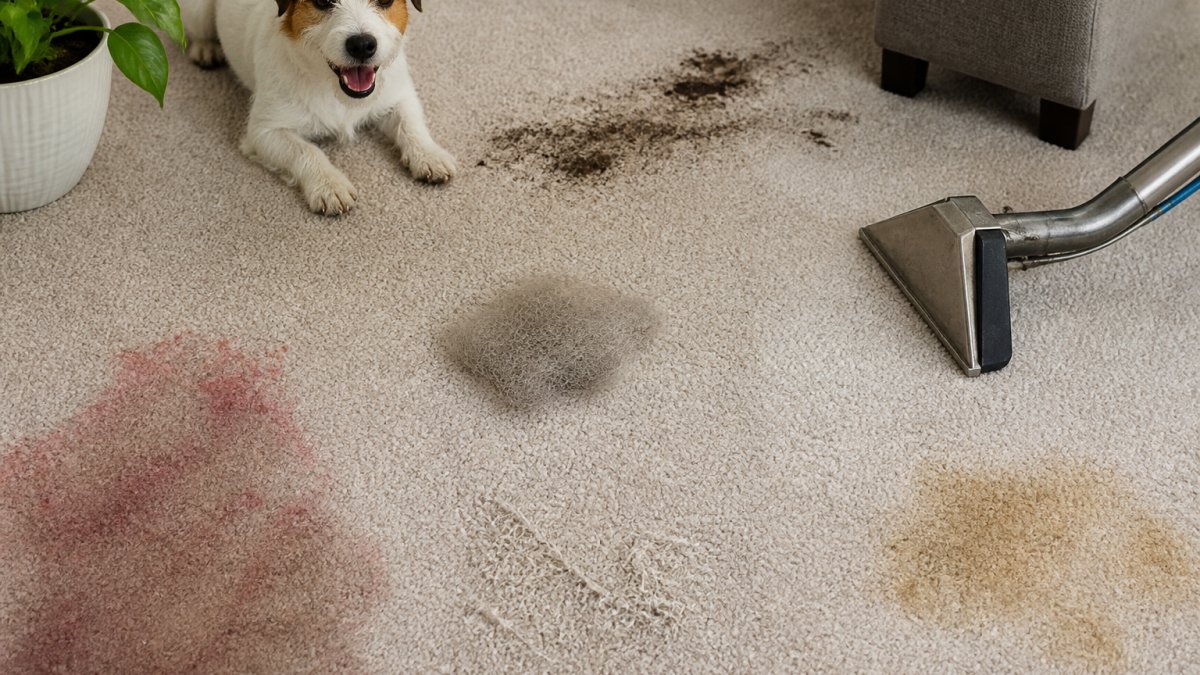
Stains that resist multiple cleaning attempts, wine, coffee, pet urine, set-in dirt, are another sign your carpet needs professional deep cleaning.
DIY methods fail because stains are chemical bonds between spills and fibers, or combinations of surface stains plus embedded dirt. Standard solutions aren't strong enough to break these bonds.
Professional cleaners use fiber-specific methods and commercial-grade solutions. They know which approach works for wool versus synthetics, and which stains respond to hot water extraction versus specialized pre-treatments.
Recurring stains reappear when cleaning solution doesn't fully penetrate or moisture wicks the stain back during drying. Professional deep cleaning removes stains completely and ensures proper drying to prevent reappearance.
Matted, Flattened, or Stiff Carpet Fibers
Carpet that feels crunchy, stiff, or flattened may need professional restoration, but first determine whether the problem is matting (recoverable) or permanent fiber damage (requiring repair or replacement).
Understanding Matting vs. Permanent Damage
Matting, fibers losing upright structure from compression and residue, is recoverable. Permanent damage like fiber splitting or backing deterioration is not. Professional cleaners assess fiber type during inspection to determine the cause.
Wool carpet typically recovers well with professional cleaning because fibers naturally spring back when moisture and residue are removed. Synthetic fiber recovery depends on denier and twist level; lower-twist synthetics may show permanent flattening if damage is severe.
Why Matting Happens and How Cleaning Addresses It
Matting results from foot traffic compressing fibers and dirt, residue, and mineral deposits accumulating on fibers, weighing them down. Regular vacuuming removes surface dirt but cannot extract embedded particles or mineral buildup from incomplete drying.
Rough, sticky, or waxy texture indicates cleaning residue, fabric softener, or mineral deposits. Professional hot water extraction with multiple rinse cycles removes these deposits and moisture thoroughly, allowing fibers to recover and stand upright.
Distinguishing Recoverable Matting from Permanent Damage
Test matting recovery by brushing with a stiff brush. If fibers spring back, matting is recoverable. If fibers remain flat, split, or brittle, damage may be permanent.
Inspect carpet backing for discoloration, crumbling, or separation. If present, the problem extends beyond matting and repair or replacement is needed.
Pet urine and water damage can cause permanent matting by breaking down backing or causing mold. If matting concentrates in these areas, professional assessment is important to rule out backing damage before cleaning.
Dark Traffic Patterns and High-Traffic Lines
Dark lines and traffic patterns in hallways, along furniture, and high-traffic paths represent one of the 7 signs your carpet needs professional deep cleaning.
Traffic patterns form when foot traffic presses dirt deeper into fibers, which embeds and oxidizes over time. Vacuuming removes surface dirt but not compacted, oxidized debris underneath.
These patterns are particularly visible on light-colored carpets and make the entire carpet look dirtier. Professional deep cleaning removes embedded dirt and restores even color.
The longer traffic patterns sit, the harder they become to remove as oxidation and fiber damage progress. Address them promptly for better results.
Increased Allergy Symptoms and Sneezing Indoors
If household members sneeze more indoors, experience itchy eyes, or notice allergy symptoms worsen at home, your carpet may be contributing to the problem, but professional cleaning is a maintenance step, not a medical treatment or mold remediation solution.
How Carpets Accumulate Allergens and Irritants
Carpets trap allergens like dust, pollen, pet dander, and mold spores deep in fibers. Regular vacuuming removes surface particles, but most remain embedded. These allergens become airborne when people walk on carpet or air circulates, triggering allergic reactions in sensitive individuals.
Dust mites thrive in carpet and feed on dead skin cells; a gram of carpet dust can contain hundreds of mites and their waste. Moisture creates conditions for mold and mildew growth, releasing spores that aggravate allergies and asthma.
What Professional Deep Cleaning Removes
Professional hot water extraction removes dust, debris, allergens, and contaminants by injecting heated water under pressure to dislodge particles, then extracting with powerful truck-mounted vacuums. Multiple rinse cycles remove cleaning residue that can trigger irritation.
Truck-mounted equipment delivers higher water temperature, greater extraction power, and more thorough moisture removal than portable machines. Studies show professional cleaning reduces dust and allergen levels, correlating with improved home air quality.
Professional cleaning does not eliminate all allergens or permanently prevent dust mites from returning; they recolonize within weeks. Professional cleaning is a maintenance step that reduces allergen load, not a permanent solution.
When to Seek Professional Assessment Beyond Cleaning
If allergy symptoms improve noticeably after professional cleaning, your carpet was contributing to the problem, and professional deep cleaning should become part of your regular maintenance routine. However, if symptoms persist or worsen despite professional cleaning, the source may not be carpet alone.
Consider professional assessment if:
- Symptoms persist after professional cleaning and normal drying (4-8 hours).
- You notice musty odors or visible mold or mildew in carpet or padding, especially after water damage, flooding, or chronic moisture issues. Mold growth requires remediation by a qualified mold professional, not carpet cleaning alone.
- Allergy symptoms are severe or year-round, suggesting multiple sources (HVAC filters, bedding, upholstered furniture, outdoor allergens) rather than carpet alone.
- You have a family history of asthma or severe allergies and want to minimize carpet-related triggers.
In these cases, consult an allergist or indoor air quality specialist to identify all contributing factors. Carpet cleaning is one part of a broader allergen-reduction strategy that may also include HVAC maintenance, air purifiers, humidity control, and allergen-resistant bedding.
What Happens During the Professional Carpet Cleaning Process
Professional carpet cleaning has three main stages: inspection and pre-treatment, hot water extraction, and post-cleaning care.
Inspection and Pre-Treatment
Professional cleaners inspect carpet to identify problem areas, fiber type, and best approach. Wool needs gentler treatment than synthetics. Pet stains need specialized pre-treatment to break down uric acid and eliminate odors.
Pre-treatment applies cleaning solutions to stains and high-traffic areas 10-15 minutes before extraction, allowing time to break down embedded dirt. Professional-grade pre-treatments work on a chemical level household cleaners cannot match.
Hot Water Extraction and Fiber-Specific Methods
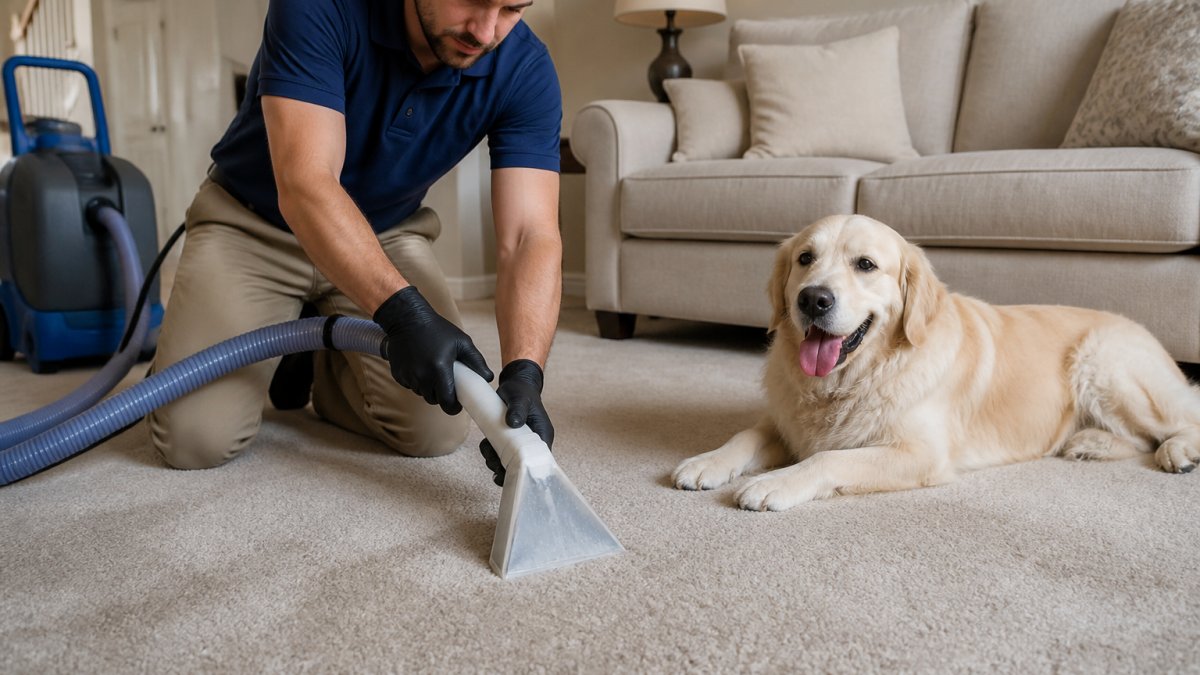
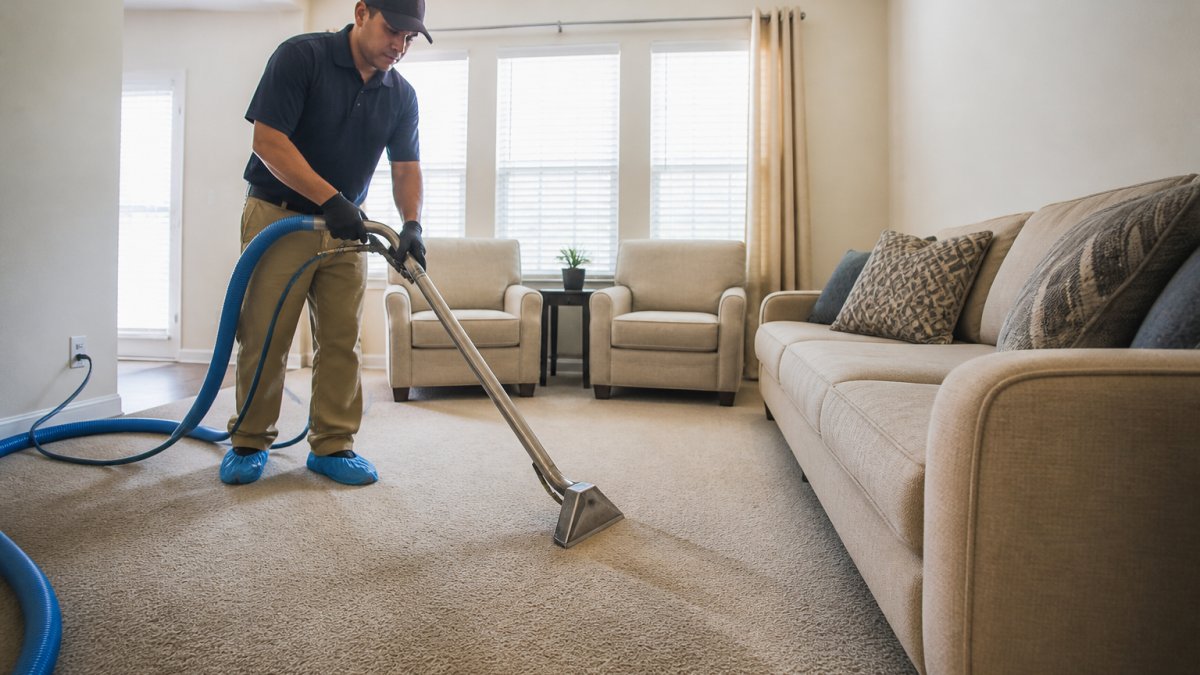
Hot water extraction is the most effective method. Truck-mounted equipment heats water and injects it deep into fibers under pressure while a powerful vacuum extracts water, dirt, and solution simultaneously.
Hot water breaks down dirt bonds, pressure dislodges embedded particles, and extraction removes everything, thoroughly cleaning from fibers through backing.
At Certified SteemPro, we use oxygen-infused, truck-mounted technology specifically designed for deep cleaning. This approach delivers superior stain and odor removal compared to portable machines or surface-level cleaning methods.
Post-Cleaning Care and Drying
Proper drying is critical; carpet should dry within 4-8 hours. Prolonged wetness causes mildew, mold, or musty odors.
Professional cleaners use air movers and dehumidifiers to speed drying and prevent moisture problems. They provide guidance on ventilation and foot traffic during the drying period. Proper post-cleaning care ensures your carpet stays fresh and clean longer.
Professional Carpet Cleaning Drying Time and Aftercare
Drying time varies based on humidity, temperature, air circulation, and carpet thickness. Most professionally cleaned carpet dries within 4-8 hours. Some carpet may take up to 12 hours in humid conditions or if the carpet is very thick.
During drying, keep foot traffic minimal. Avoid walking on wet carpet and keep windows open or use fans to circulate air. If your home is humid, running air conditioning or dehumidifiers speeds the drying process.
Once carpet is dry, it's safe to walk on and use normally. Furniture can return to its original position. Avoid spilling liquids on freshly cleaned carpet for the first 24 hours while fibers are still settling.
Professional cleaners often recommend light vacuuming after 24 hours once carpet is completely dry. This helps restore carpet pile and remove any remaining loose particles. After that, return to your normal vacuuming routine.
How Often to Professionally Clean Carpet for Best Results
How often to professionally clean carpet depends on foot traffic, pets, and household composition. Most homes benefit from professional deep cleaning once or twice per year.
High-traffic areas and homes with pets may need professional cleaning every 3-6 months. Light-traffic areas in homes without pets might only need annual cleaning. Families with young children or multiple pets should lean toward more frequent cleaning.
Regular professional cleaning maintains carpet appearance, extends carpet life, and keeps your home healthier. It prevents dirt and allergens from accumulating to levels that create visible stains, odors, and traffic patterns.
Between professional cleanings, maintain your carpet with regular vacuuming, at least weekly in high-traffic areas, and twice weekly if you have pets. This removes surface dirt before it embeds and reduces the workload for professional cleaning.
| Household Type | Recommended Frequency | Reason |
|---|---|---|
| No pets, light traffic | Once per year | Minimal dirt accumulation |
| Pets or moderate traffic | Twice per year | Regular maintenance prevents buildup |
| Multiple pets or heavy traffic | Every 3-6 months | Frequent cleaning needed for odor and stain control |
| Young children and pets | Every 3-4 months | Higher allergen and spill risk |
If your carpet shows any of these signs, persistent odors, visible stains, matted fibers, traffic patterns, or allergy symptoms, professional deep cleaning will restore your carpet and improve your home environment.
Frequently Asked Questions
How often should you get your rugs professionally cleaned?
Most households benefit from professional carpet cleaning every 12 to 18 months, though this depends on foot traffic, pets, and allergies. High-traffic areas and homes with children or pets may need cleaning every 6 to 12 months. Regular professional cleaning prevents embedded dirt and allergens from accumulating and extends carpet life significantly.
How long does professional carpet cleaning take to dry?
Drying time varies based on humidity, ventilation, and cleaning method. Professional truck-mounted equipment typically dries carpets faster than portable units. With proper airflow and dehumidifiers, most carpets dry within 4 to 8 hours, though some areas may take up to 24 hours. Fast-drying solutions minimize disruption for busy families and offices.
What is the difference between professional carpet cleaning and vacuuming?
Vacuuming removes surface dirt and debris, but professional carpet cleaning reaches embedded dirt, dust, and allergens deep within carpet fibers using hot water extraction or specialized fiber-safe methods. Professional cleaning removes stubborn stains, persistent odors, and allergens that vacuuming cannot address, restoring carpet appearance and improving indoor air quality.
Can professional carpet cleaning remove pet odors permanently?
Yes, professional deep cleaning with specialized pet odor removal treatments can eliminate odors caused by pet accidents and urine that have soaked into carpet fibers and padding. However, if urine has saturated the subfloor, padding replacement may be necessary. A professional assessment determines whether cleaning alone will resolve the odor or if carpet restoration is needed.