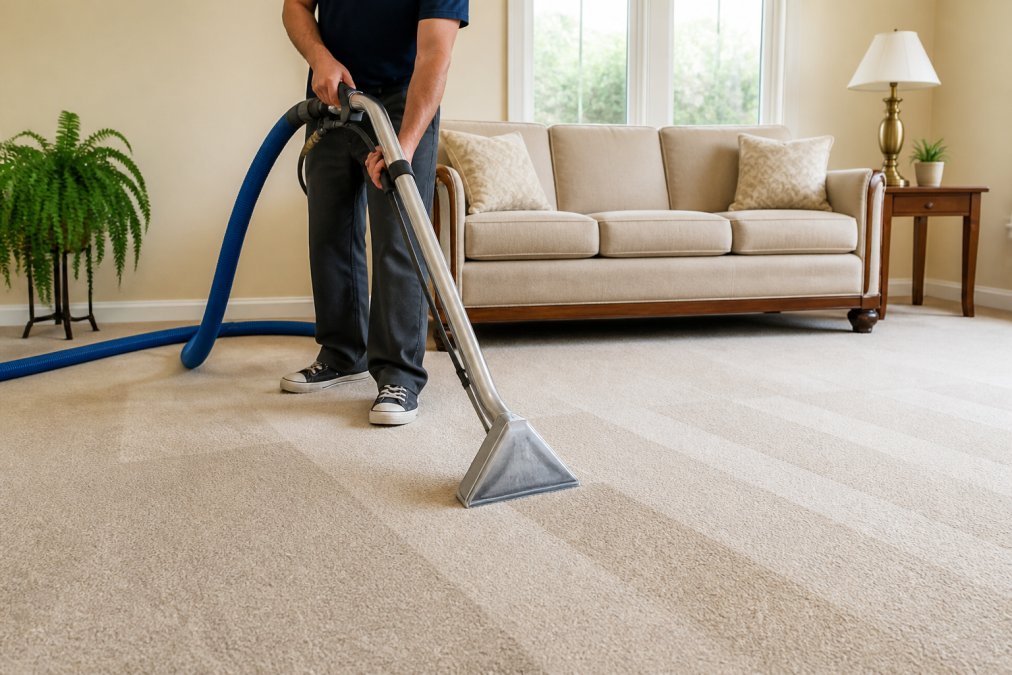
 comparison
Why Professional Carpet Cleaning Is Better in 2026
Table of Contents
- Deep Cleaning Power: Hot Water Extraction vs. DIY Methods
- Indoor Air Quality and Allergen Removal
- Benefits of Truck-Mounted Carpet Cleaning
- How Often to Get Carpets Professionally Cleaned
- Professional Carpet Cleaning Service Pricing
- Carpet Warranty Compliance and Fiber Protection
- Environmental Impact and Cost Over Five Years
- Conclusion
- Frequently Asked Questions
Last Updated: September 25, 2026
Deep Cleaning Power: Hot Water Extraction vs. DIY Methods
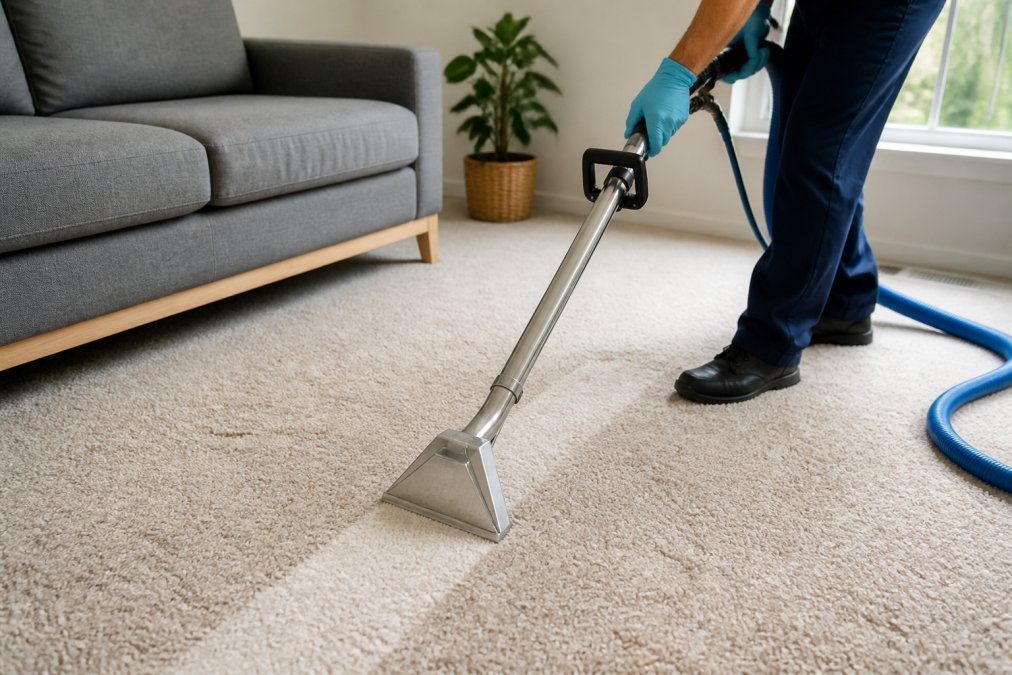
Professional carpet cleaning removes what household vacuums and rental machines leave behind. According to EPA indoor air quality research, carpets act as sinks that trap dust, pet dander, and other particles until they are properly extracted. Hot water extraction, often called steam cleaning, flushes the carpet pile with heated solution and pulls the suspended soil out with powerful vacuum suction. This is why professional carpet cleaning is better at reaching deep-seated dirt than any consumer method.
DIY rental machines look similar on the surface, but they typically run lower pressure and weaker suction. Many also leave excess water behind, which invites microbial growth and long drying times.
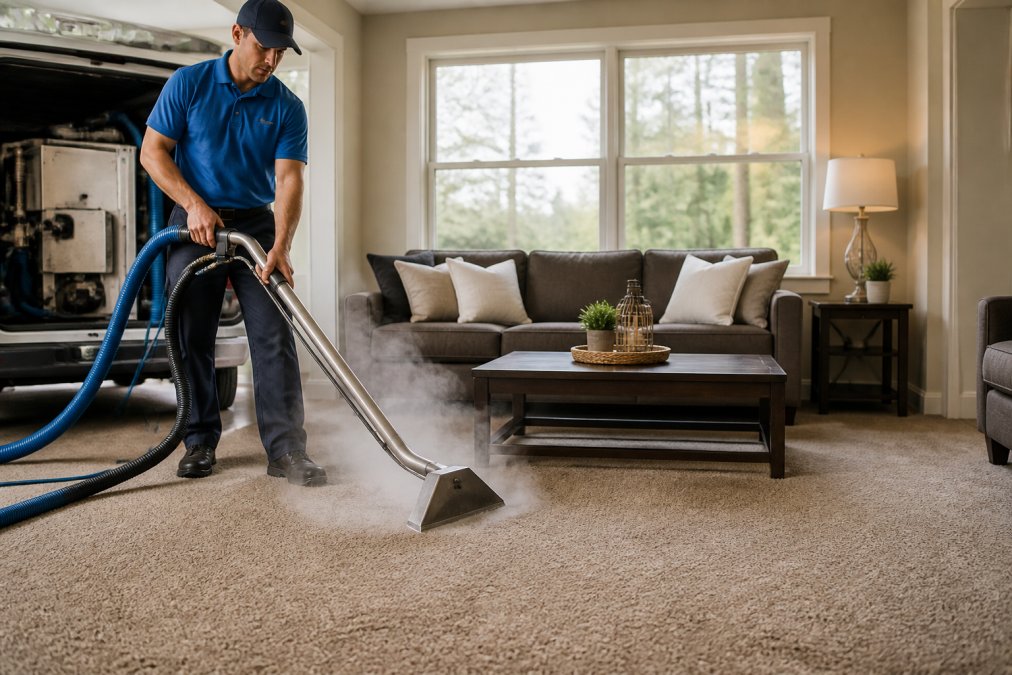
Here's what most guides miss: the difference is not the water. It's the extraction power and the technician's control over pressure, temperature, and passes.
| Factor | Truck-Mounted Pro | DIY Rental |
|---|---|---|
| Water pressure | High, adjustable | Low, fixed |
| Suction power | Powerful, consistent | Weaker, fades |
| Drying time | Hours | Often 1-2 days |
| Residue left | Minimal | Common |
Indoor Air Quality and Allergen Removal
Indoor air quality improves when soil, dust mites, and pet dander are physically removed from carpet fibers rather than stirred up. A common mistake is spot-cleaning only the visible stains while allergens stay deep in the pile. Professional-grade equipment extracts those particles, not just the surface layer.
For health-conscious families, this is the real payoff. CDC guidance on allergens and asthma triggers notes that reducing allergen exposure at home supports respiratory health. Certified SteemPro uses 100% non-toxic, green-certified solutions, which matters when children or sensitive family members share the space.
Benefits of Truck-Mounted Carpet Cleaning
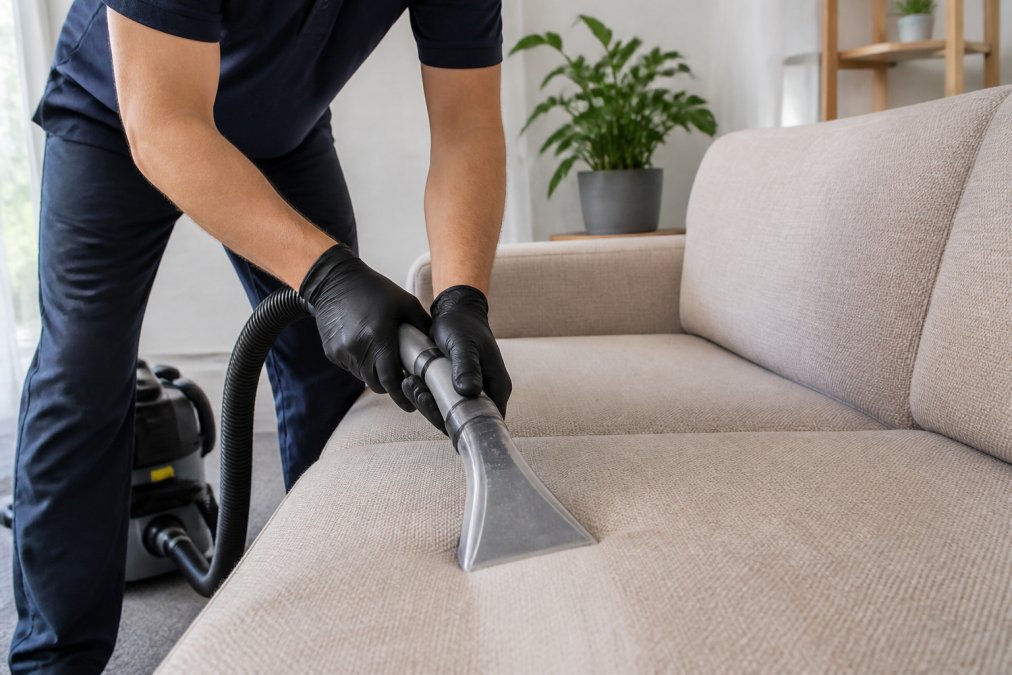
Truck-mounted systems deliver the strongest cleaning power available for residential and commercial carpets. The benefits of truck-mounted carpet cleaning come down to three things: sustained heat, high suction, and fast dry times. Because the machine stays in the truck, the unit can be larger and more powerful than anything you could rent.
That power translates to better soil extraction and less residue buildup. It also means faster drying, which reduces the window for mold prevention concerns. For offices and retail spaces, fast dry times mean less downtime.
- Deeper soil extraction from the carpet pile
- Heated solution that breaks down oils and grime
- Stronger vacuum recovery for faster drying
- Consistent results across high-traffic areas
How Often to Get Carpets Professionally Cleaned
The general guideline is every 12 months for an average household, and every 6 months when pets, allergies, or heavy foot traffic are in the picture. How often to get carpets professionally cleaned depends on use, not the calendar alone. High-traffic areas like hallways and living rooms soil faster than bedrooms.
For offices and retail, quarterly service keeps carpet appearance sharp and manages preventative maintenance. Pet owners dealing with repeat accidents should schedule sooner. A common mistake is waiting until stains are permanent, when textile restoration becomes far harder.
Professional Carpet Cleaning Service Pricing
Professional carpet cleaning service pricing depends on square footage, carpet condition, and the number of rooms. Most providers price by area or by room count, and add-ons like pet treatment or upholstery maintenance affect the total. You won't find a single flat rate because every home and office differs.
Certified SteemPro publishes its rates on its website. When comparing quotes, look beyond the headline number. Ask what's included: pre-treatment, spot treatment, deodorizing, and drying time all change the value.
| Pricing Factor | What It Affects |
|---|---|
| Square footage | Base cost |
| Number of rooms | Per-room total |
| Pet stains | Add-on treatment |
| Upholstery | Separate service |
Carpet Warranty Compliance and Fiber Protection
Most residential carpet warranties are not blanket guarantees against wear, they are conditional promises, and the conditions usually include professional hot water extraction on a set schedule. That single detail is the strongest practical argument for hiring a pro, and it is the one most DIY-focused articles skip.
Here is how the requirement actually works. Major carpet manufacturers publish care and maintenance guides that specify hot water extraction by a trained technician, typically every 12 to 18 months for residential installations. Some specify the method by name, "hot water extraction" rather than "steam cleaning" or "dry cleaning", because the warranty language is written around that process. If a claim is filed for matting, crushing, or premature face-fiber loss, the manufacturer can ask for proof of maintenance. Without receipts or service records showing compliant cleaning, the claim can be denied even when the damage is genuinely a defect.
Carpet & Rug Institute Seal of Approval program for cleaning products and equipment is the reference point many manufacturers and cleaning companies use. Products and extractors that carry the Seal of Approval have been tested for how much residue they leave behind and how they affect fiber. A technician using approved chemistry and a truck-mounted extractor is working inside the warranty's expectations; a homeowner using a rental unit and an off-the-shelf shampoo often is not.
Fiber type changes the approach, and this is where DIY cleaning does the most quiet damage:
- Nylon (the most common residential face fiber): durable and heat-tolerant, but it depends on a factory-applied stain and soil protectant. Harsh alkaline cleaners or over-wetting strip that protectant, and the carpet loses stain resistance long before it loses pile.
- Polyester (PET): softer hand and strong stain resistance built into the fiber itself, but it is more prone to matting and is sensitive to high heat. Too-hot extraction can crush the pile and leave a flattened traffic lane that will not recover.
- Wool: the most forgiving in appearance retention and the least forgiving in chemistry. Wool responds badly to high pH and to prolonged moisture, so a technician adjusts both the solution and the drying pass. A rental machine with a fixed pressure setting cannot make that adjustment.
Two other warranty traps are worth knowing. First, most manufacturers exclude damage caused by improper cleaning, meaning the act of DIY cleaning can itself void coverage.
The practical takeaway: read the care guide that came with your carpet, note the required cleaning interval and method, and keep records. Professional cleaning is not just better for the carpet, it is often the only way to keep the coverage you already paid for.
Environmental Impact and Cost Over Five Years
- Routine professional cleaning. Typically priced per room or per square foot, with add-ons for pet treatment, stairs, and upholstery. Two to five visits over five years for an average household.
- DIY rental and supplies. The machine rental itself is the visible cost, but the real spend includes detergent, spot treatments, pre-treaters, and the gas and time to pick up and return the unit. Repeat this every time the carpet looks dull, which, because of residue, is more often than you expect.
- Damage and premature replacement. This is the category DIY articles leave out. Over-wetting causes delamination (the backing separates from the face fiber) and can wick stains back to the surface. High heat on the wrong fiber crushes the pile. Either one can force replacement years earlier than necessary.
- Replacement cost. Carpet replacement is priced per square foot installed, and it scales with the size of the home, so the cost of replacing early is not a small number, and it is the number the whole comparison turns on.
- Lower residue means less airborne chemistry in the home
- Fewer cleaning cycles over the life of the carpet
- Stain resistance retained longer, so fewer permanent stains
- Replacement deferred, which is where the real savings sit
A practical way to run this yourself: get a written quote for professional service, add up five years of rental fees plus supplies plus your own time, and then price replacement in your area. The environmental argument points the same direction.
Conclusion
Deciding between a rental machine and a trained team is really a question of what you want from your floors. Certified SteemPro brings over 20 years of experience, truck-mounted oxygen-infused cleaning, 100% non-toxic green-certified solutions, and fast dry times to every job. We're licensed and insured, and we back our work with a quality guarantee. Get started with Certified SteemPro and protect your carpet, your air quality, and your investment.
Frequently Asked Questions
Is it worth getting carpets professionally cleaned?
Yes, professional carpet cleaning is worth it for most homes. It removes deep-seated dirt, allergens, and stains that regular vacuuming cannot reach. This improves indoor air quality and extends carpet lifespan. While there is a cost, it often saves money by delaying carpet replacement. Many providers offer satisfaction guarantees.
Is it better to have my carpet professionally cleaned or to do it myself?
Professional cleaning is generally better because it uses truck-mounted equipment that generates higher suction and heat than rental machines. This extracts more soil and moisture, reducing drying time and preventing mold. DIY rentals may leave residue that attracts dirt. Professionals also have expertise in fiber-specific treatments.
How often should you have your carpets professionally cleaned?
Most manufacturers recommend professional cleaning every 12 to 18 months. Homes with pets, children, or allergy sufferers may need cleaning every 6 to 12 months. High-traffic areas and light-colored carpets benefit from more frequent service. Regular cleaning helps maintain warranty compliance and keeps carpets looking new.
Does professional carpet cleaning remove all stains and odors?
Professional cleaning removes most stains and odors, but results depend on the stain type and how long it has been set. Pet urine, wine, and ink may require special treatments. A qualified technician can often restore carpets that seem permanently stained. For best results, address spills promptly and schedule regular cleanings.