 how-to
How to Remove Red Wine Stains from Light Carpet
Table of Contents
- Act Fast: Immediate Steps to Blot Red Wine from Light Carpet
- The Best Carpet Stain Remover for Red Wine: DIY Solutions That Work
- How to Clean Old Red Wine Stains: Reviving Set-In Spills
- Fiber-Specific Advice: Matching Your Method to Your Carpet
- Eco-Friendly and Non-Toxic Alternatives for Light Carpets
- Professional Carpet Cleaning for Wine Stains: When to Call Certified SteemPro
- Common Mistakes to Avoid When Removing Red Wine Stains
- Conclusion: Saving Your Light Carpet
- Frequently Asked Questions
Last Updated: October 2, 2026
Act Fast: Immediate Steps to Blot Red Wine from Light Carpet
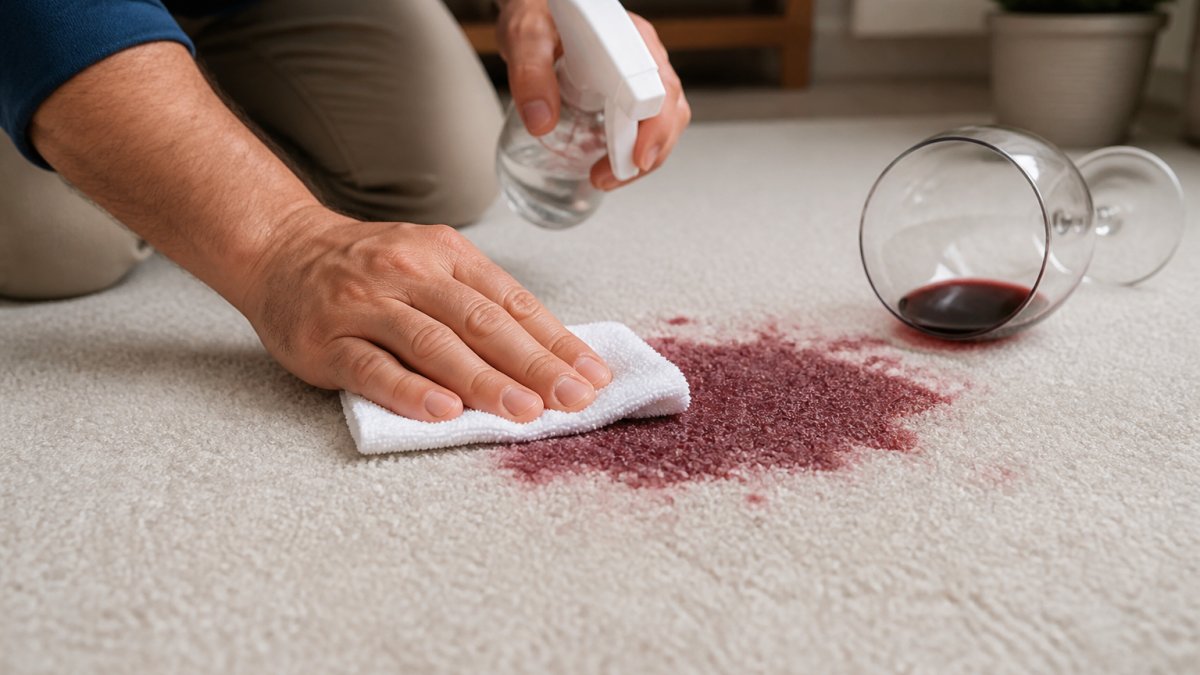
Red wine on a light carpet feels like a disaster, but speed matters more than any product.
The spills people panic about often come out fine; the ones they "fixed" with aggressive scrubbing are the ones that stay.
Here is what to do in the first few minutes:
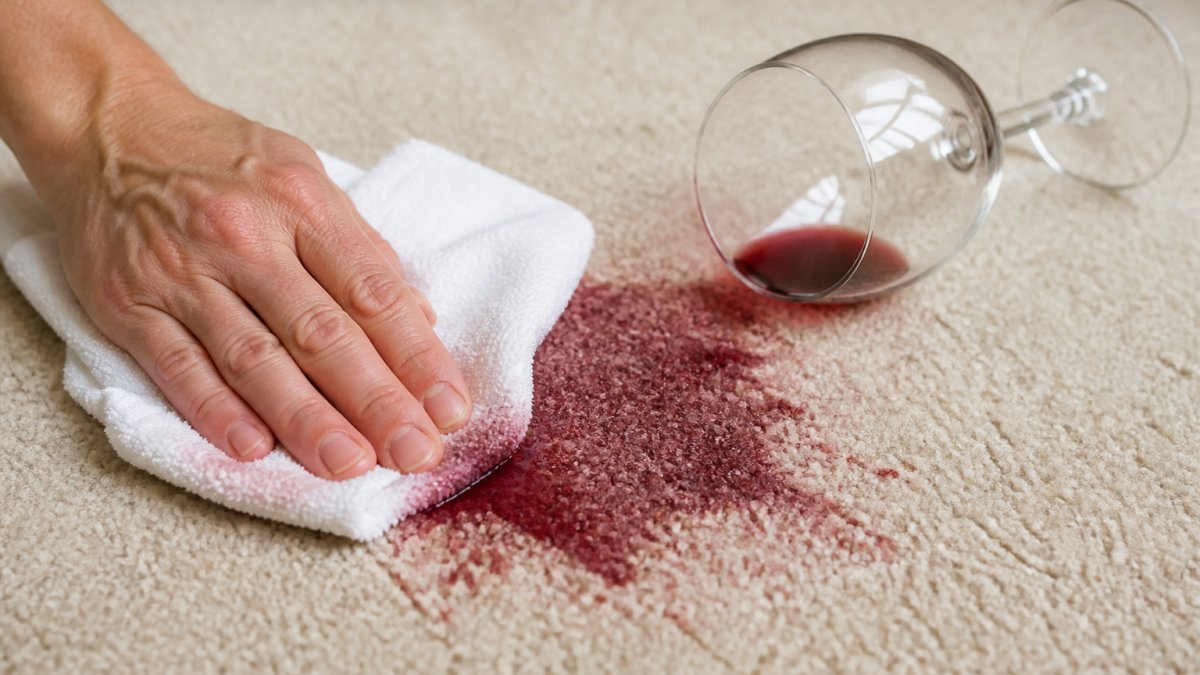
- Blot, never rub. Press a clean white cloth straight down and lift.
- Work from the outside of the spill toward the center to stop it spreading.
- Use cold water only. Warm water can set the dye.
- Change cloths often so you are not reapplying wine.
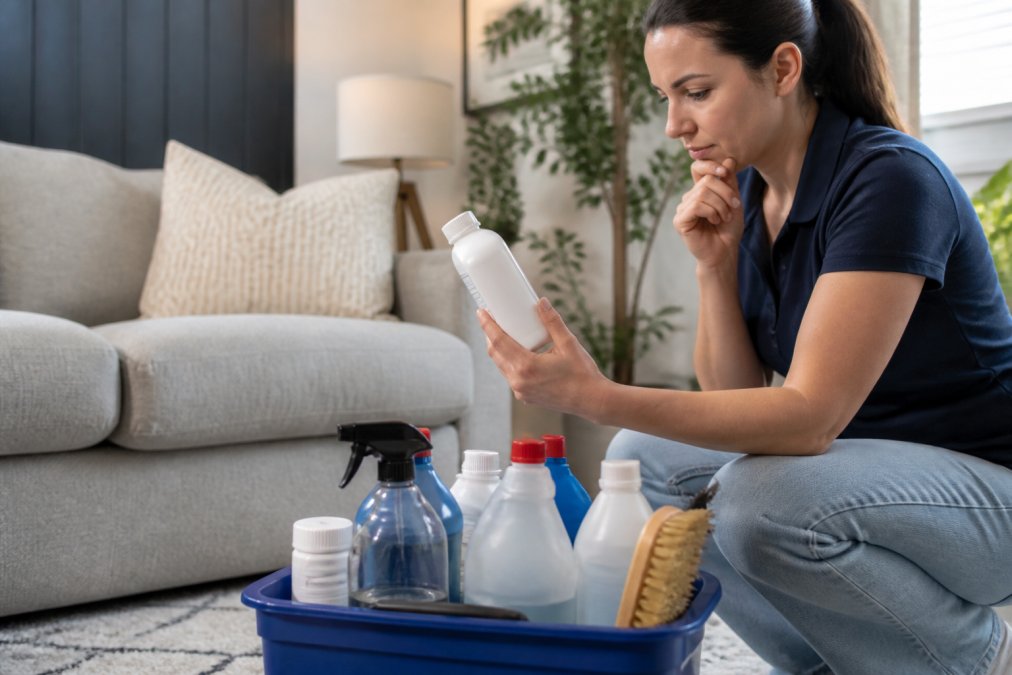
Tools You Need Before You Start
Gather your supplies before you touch the stain. Rushing back and forth wastes the seconds that matter.
- A stack of clean white cloths or paper towels
- Cold water in a spray bottle
- A mild dishwashing liquid
- White vinegar
- Baking soda
- A soft-bristle brush
- Rubber gloves
The Carpet and Rug Institute's stain removal guidance confirms that blotting with clean, absorbent cloths is the safest first step for any liquid spill. Skip colored towels. Dye from a red or blue rag can transfer onto a light carpet and create a second stain.
The Best Carpet Stain Remover for Red Wine: DIY Solutions That Work
The best carpet stain remover for red wine is a simple mix you can make in your kitchen.
Mix one teaspoon of clear dishwashing liquid with one cup of cold water as your base solution. For tougher color, add one tablespoon of white vinegar.
Hydrogen peroxide is popular for red wine stains, but it is a bleaching agent that can strip color and leave a pale patch on a light carpet.
Why Each Ingredient Works (and When It Stops Working)
Red wine color comes from anthocyanin pigments (the same compounds that color blueberries and beets) and tannins from grape skins. Anthocyanins are water-soluble when fresh, which is why cold water alone lifts most of a new spill. Tannins bond to fiber over time, which is why a stain that looks gone at hour one can reappear as a brown shadow at hour twelve.
That chemistry explains the sequence:
- Cold water dissolves fresh anthocyanins. It does nothing for tannins.
- Dish soap is a surfactant. It lifts pigment off the fiber surface so your cloth can absorb it. It does not break down tannins.
- White vinegar is mildly acidic. It helps break the tannin bond and neutralizes the alkaline residue some carpets carry. Too much acid dulls wool and can set color on some synthetics.
- Baking soda is a mild abrasive and a desiccant. It pulls moisture and odor out of the backing. It is not a stain remover on its own.
- Hydrogen peroxide oxidizes the pigment molecule itself. It works on stubborn color but attacks dye in the carpet at the same time. That is why it is a last resort on light carpet, not a first step.
Solution Ratios and Safe Ingredients
Getting the ratio right matters. Too much soap leaves a sticky residue that attracts dirt. Too much vinegar can dull some fibers.
Use this quick guide:
| Solution | Ratio | Dwell Time | Best For |
|---|---|---|---|
| Dish soap + cold water | 1 tsp : 1 cup | 3-5 min | Fresh spills, first pass |
| White vinegar + water | 1 tbsp : 1 cup | 5 min | Tannin shadow left after soap |
| Baking soda paste | 3 parts : 1 part water | Until dry | Absorbing odor and moisture |
| Diluted hydrogen peroxide | 1 part : 3 parts water | 2-3 min, blot, repeat once | Light carpets, tested first |
Apply any solution to your cloth first, not the carpet. Then blot. Rinse with cold water and blot dry.
The Sequence That Actually Works
Most failed DIY removals come from jumping to the strongest product first. Work up the ladder:
- Cold water and a white cloth. Blot until the cloth stops picking up color.
- Dish soap solution. Blot, then rinse with cold water.
- Vinegar solution if a pink or brown shadow remains. Blot, then rinse.
- Diluted peroxide only if steps 1-3 stall and you have tested a hidden spot.
Between every step, blot dry. A wet fiber cannot absorb the next solution, and a wet backing wicks pigment back up as it dries.
What Not to Mix
- Never combine vinegar and hydrogen peroxide in the same bottle. The mixture forms peracetic acid, which is far more aggressive on carpet dye than either ingredient alone.
- Do not add bleach to any DIY mix on a light carpet. Bleach removes the wine and the carpet color together.
- Do not layer ammonia-based cleaners over vinegar. The reaction neutralizes both and leaves a salt residue that attracts soil.
If you would rather skip the mixing, a pH-neutral carpet cleaner labeled for wool and synthetic fibers is the safest single-product option. Check for a pH between 6 and 8 and a "wool-safe" or "colorfast" claim before you buy.
How to Clean Old Red Wine Stains: Reviving Set-In Spills
Old red wine stains are harder, but most can still be improved. A set-in stain has dried into the pile and backing, so you need patience, not force.
Follow these steps for a dried stain:
- Vacuum the area to lift loose dirt.
- Mix your dish soap and cold water solution.
- Apply to the stain and let it sit for five to ten minutes.
- Blot with a clean cloth, pressing firmly.
- Rinse with cold water and blot again.
- Repeat until the cloth lifts no more color.
For a stubborn set-in stain, try a baking soda paste: spread it over the spot, let it dry, then vacuum. This pulls moisture and odor from deep in the backing.
Fiber-Specific Advice: Matching Your Method to Your Carpet
Not all carpets handle the same treatment, the wrong method on the wrong fiber can cause damage or bleaching. Check your carpet type before you start.
Most light carpets are synthetic. Polyester and nylon are common and fairly tough, handling water-based solutions well. Wool and other natural fibers are more delicate and can shrink, brown, or lose color when wet.
How to Identify Your Fiber in Under a Minute
Before you mix anything, find out what you are working with. Three quick checks:
- Check the label or the original sales tag. Most wall-to-wall carpet is sold as nylon, polyester (PET), olefin (polypropylene), or a branded variant like Triexta. Rugs often carry a fiber tag on the back corner.
- Look at the pile under bright light. Nylon has a slight sheen and springs back when you press it. Polyester looks flatter and softer. Olefin feels slick and has a low, dense hand. Wool has a natural crimp and a matte finish.
- Do the burn test on a loose tuft only. Pull a single fiber from a hidden corner. Nylon melts into a hard bead and smells like celery. Polyester beads and smells sweet. Olefin beads and smells like wax. Wool chars to a soft ash and smells like burnt hair. Never do this on the installed carpet.
If you cannot identify the fiber, treat it as wool, the conservative default.
Fiber-by-Fiber Playbook
Here is how to match your method to your carpet:
- Nylon: The most forgiving fiber. Handles dish soap, vinegar, and diluted peroxide. Nylon is solution-dyed or acid-dyed, and acid-dyed nylon is the one fiber where a diluted acid (vinegar) can actually help lift tannin without stripping color. Rinse thoroughly, nylon holds residue.
- Polyester (PET): Color is usually solution-dyed, meaning the pigment is locked inside the fiber rather than applied to the surface. That makes polyester highly colorfast but prone to matting when over-wet. Use less liquid, blot more, and skip peroxide unless the stain is set.
- Olefin (polypropylene): Solution-dyed and chemically inert, so it resists stains well but has low resilience. It crushes under a heavy scrub. Blot only, and never use a stiff brush.
- Triexta (PTT): A newer synthetic with the stain resistance of polyester and the resilience of nylon. Treat like nylon but avoid high heat, which can distort the fiber.
- Wool: The most delicate common fiber. Wool is a protein fiber, so alkaline cleaners (high-pH dish soap, ammonia) swell and damage it. Acidic cleaners can dull it. Use a pH-neutral wool-safe cleaner, cold water only, and dry fast with airflow. Never scrub, wool felts under friction.
- Blends: Treat as the most delicate fiber in the mix. A wool-nylon blend gets the wool treatment.
The Two Failure Modes to Watch For
Browning. Wool and some natural fibers contain water-soluble proteins and residual sugars. When they stay wet too long, those compounds wick to the surface and oxidize into a brown or yellow ring, a moisture stain, not a wine stain, that appears hours after you think you are done.
Bleaching. Peroxide, bleach, and some spot removers strip the dye out of the carpet itself, showing up on a light carpet as a bright white patch no rinsing will fix.
A Note on Backing and Pad
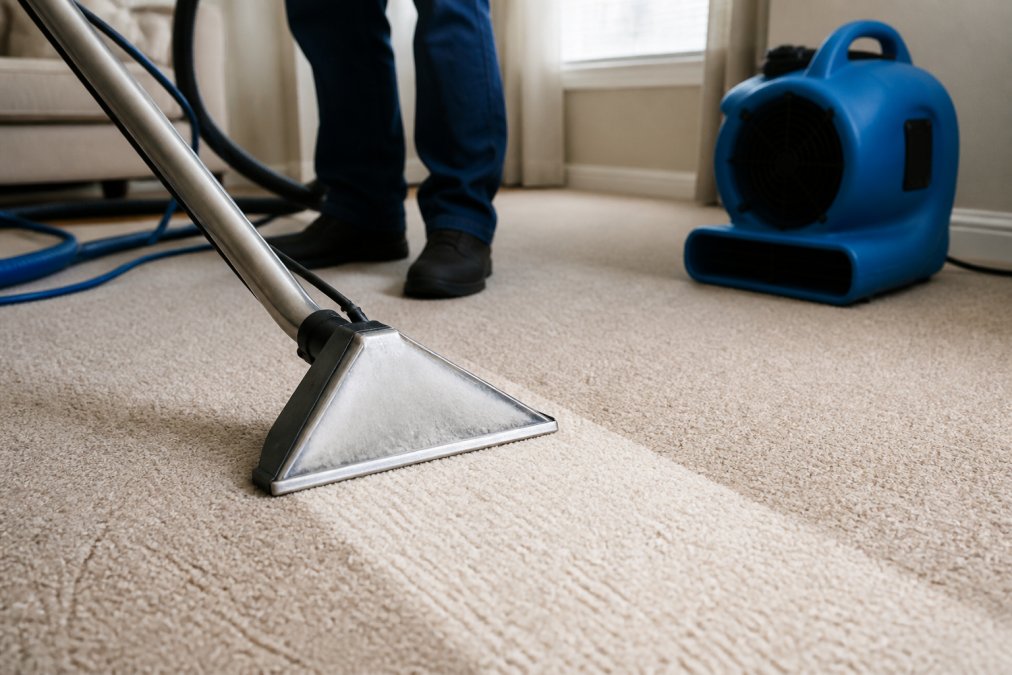
The fiber is only half the story. Most residential carpet has a primary backing (often polypropylene), a secondary backing (jute, polypropylene, or a woven synthetic), and a pad underneath. Jute backing and natural-fiber pads brown, mildew, and delaminate when over-wet. If your spill soaked through to the pad, surface blotting will not reach it, that is a job for a truck-mounted hot water extraction system, which flushes the pad and pulls the water back out in the same pass.
Eco-Friendly and Non-Toxic Alternatives for Light Carpets
You do not need harsh chemicals to lift red wine, especially with kids and pets in the house. The gentlest cleaners are often the most effective on fresh spills.
Non-toxic options that work:
- Cold water and a clean cloth for fresh spills
- Clear dishwashing liquid with no dyes or fragrances
- White vinegar for mild color and odor
- Baking soda to absorb moisture and smell
- A pH-neutral carpet cleaner for delicate fibers
Skip anything with bleach or strong solvents on a light carpet. These can cause a bleaching effect or leave a residue that traps new dirt. Rinse well after every treatment so no cleaning agent stays behind.
After any DIY treatment, place a dry towel over the spot and weigh it down for a few hours. This pulls out leftover moisture and stops the stain from wicking back up as it dries.
Professional Carpet Cleaning for Wine Stains: When to Call Certified SteemPro
Professional carpet cleaning for wine stains makes sense when DIY methods stall. Some stains reach the carpet backing, and surface cleaning cannot touch them.
Call a pro when:
- The stain has been there for weeks or months
- DIY methods have faded the color but not removed it
- The stain keeps coming back after it dries
- Your carpet is wool or another delicate natural fiber
- The spill covered a large area
Certified SteemPro uses 100% non-toxic, green-certified solutions and oxygen-infused, truck-mounted equipment that reaches deep into the pile and backing to pull out what surface cleaning leaves behind.
We are licensed and insured, with more than 20 years of experience serving homes and businesses.
U.S. Environmental Protection Agency's Safer Choice program helps shoppers find cleaning products with safer ingredients. It is a useful reference when you compare green-certified options.
Common Mistakes to Avoid When Removing Red Wine Stains
Most failed stain removals come down to a handful of mistakes. Avoid these and your odds improve a lot.
- Scrubbing instead of blotting. Rubbing pushes wine deeper and can fray the carpet pile.
- Using warm or hot water. Heat sets the dye and makes the stain permanent.
- Over-wetting the carpet. Too much liquid soaks the backing and can cause odor or mold.
- Skipping the rinse. Leftover soap or vinegar attracts dirt and leaves a sticky residue.
- Testing nothing. Always check colorfastness on a hidden spot before using any solution.
- Using colored cloths. Dye can transfer to a light carpet and add a new stain.
If a DIY attempt fails, do not keep piling on more product. Over-treatment can set the stain and damage fibers. At that point, a professional cleaning is the safer path.
Conclusion: Saving Your Light Carpet
A red wine spill on a light carpet is stressful, but rarely the end of the story. Fast blotting, the right solution, and patience save most carpets. For set-in stains or delicate fibers, knowing when to stop and call a pro protects your investment.
If a stain will not budge, Certified SteemPro can help. Our team brings 20+ years of experience, 100% non-toxic green-certified solutions, and oxygen-infused, truck-mounted cleaning with fast dry times.
Get started with Certified SteemPro.
Frequently Asked Questions
What pulls red wine out of light carpet?
Blotting with a clean, absorbent cloth is the first step to pull up as much wine as possible. For the remaining stain, a solution of dishwashing liquid and cold water often works well. For tougher marks, a mixture of hydrogen peroxide and dish soap can be effective, but always test it on a hidden area first to check for colorfastness and prevent a bleaching effect on light carpet fibers.
Can old red wine stains be removed?
Yes, old red wine stains can often be removed, though they require more patience. Start by rehydrating the stain with a little cold water, then apply a solution of white vinegar and dish soap. Let it sit for 10-15 minutes before blotting. For set-in stains that won't budge, professional carpet cleaning for wine stains is the safest option to avoid fiber damage.
Should I use club soda or salt on a red wine spill?
Club soda can help dilute a fresh spill, but it may not fully remove the stain and can leave residue. Salt is better used as a preventative measure; pouring a generous amount on a fresh spill can absorb some of the liquid before you blot. For the best results, stick to a targeted cleaning solution and proper blotting technique rather than relying on these alone.
How do I prevent permanent discoloration when cleaning light carpet?
To avoid permanent discoloration, always test your cleaning solution on an inconspicuous area first to ensure it doesn't cause a bleaching effect. Use cold water, as hot water can set the stain. Blot gently instead of rubbing, which can damage carpet fibers. If the stain persists after a few attempts, stop and call a professional to prevent fiber damage or setting the stain further.