 how-to
How to Choose Upholstery Cleaner: A 2026 Guide
Table of Contents
- Understanding Upholstery Cleaning Codes Explained
- Types of Upholstery Cleaning Methods
- Truck-Mounted Upholstery Cleaning vs Portable Equipment
- Professional Sofa Cleaning Services vs DIY Approach
- How Often Should You Clean Upholstery
- Key Factors to Consider When Choosing a Cleaner
- Common Mistakes to Avoid When Selecting a Cleaner
- Frequently Asked Questions
Last Updated: September 18, 2026
Understanding Upholstery Cleaning Codes Explained
Upholstery cleaning codes are standardized symbols that tell you exactly which cleaning methods are safe for your furniture. These codes appear on the care label attached to most upholstered pieces. Understanding them prevents costly damage and helps you choose upholstery cleaner products that keep your sofa, chairs, and other pieces looking their best.
The code system uses four letters, each representing a different cleaning approach. Manufacturers use these codes because different fabrics respond differently to water, solvents, and agitation. Using the wrong method can shrink fabric, cause color bleeding, or permanently damage the material.
What Each Code Means for Your Furniture
W means water-based cleaner is safe. This code indicates the fabric can handle extraction machines and water-based solutions without risk. Most natural fibers like cotton and linen carry this code. When you see W, you have flexibility in choosing upholstery cleaning methods that use water extraction.
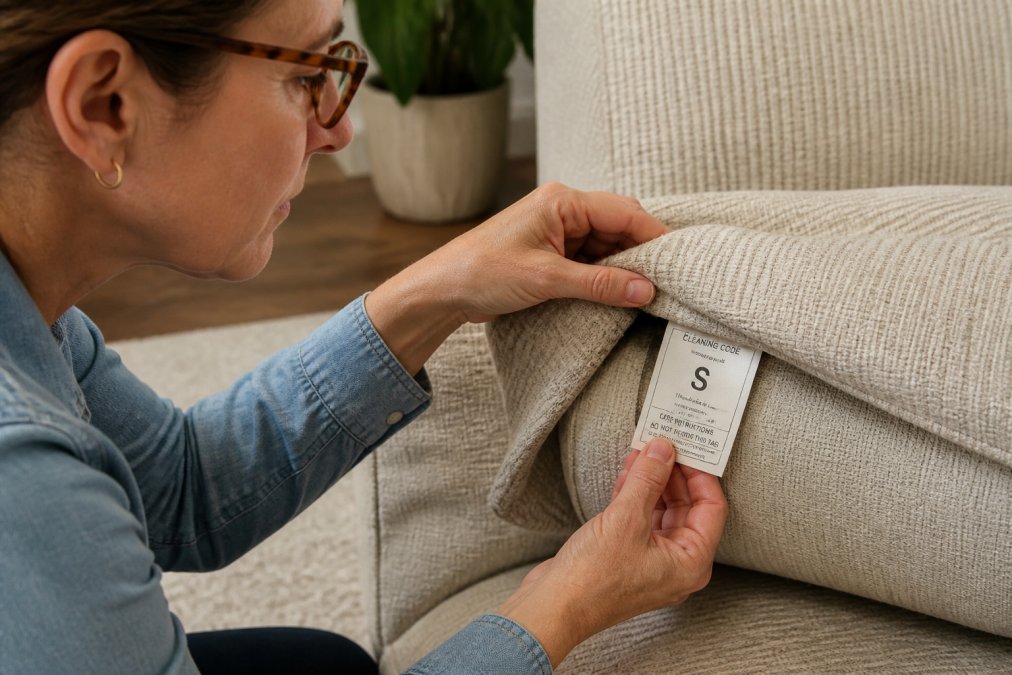
S means solvent-based cleaner only. This code appears on delicate fabrics like silk or wool blends that can't tolerate water. Solvent-based solutions work differently than water, they dissolve oils and stains without the moisture. If your upholstery has an S code, professional dry cleaning fluid is your best option.
SW or WS means both water-based and solvent-based cleaners work. This is the most flexible code and gives you multiple options. You can use extraction machines or solvent treatments depending on the stain type and your preference.
X means vacuum only. This code appears on delicate or antique fabrics that can't handle any liquid cleaning. Vacuuming removes surface dirt and debris, but anything deeper requires professional intervention by specialists trained in dry cleaning methods.
How to Find Your Fabric's Code
The care label is typically sewn into a seam on the underside or back of your furniture. Look inside cushion zippers, along the bottom edge, or under armrests. The code appears as a single letter, sometimes with additional care instructions printed nearby.
If the label has worn away or you can't locate it, take a photo of your sofa and contact the manufacturer if you have documentation. Alternatively, test a hidden area with your chosen cleaning solution before treating visible spots. This colorfastness test prevents surprises on high-traffic areas.
Types of Upholstery Cleaning Methods
Choosing the right upholstery cleaning method depends on your fabric code, the type of stain, and whether you're doing spot treatment or deep cleaning. Different approaches work better for different situations.
Water-Based vs. Solvent-Based Solutions
Water-based solutions use extraction machines to spray water and cleaning agents deep into fabric fibers. The machine then suctions out the moisture, leaving the upholstery damp but not soaked. This method works well for W-coded fabrics and removes water-soluble stains like juice, coffee, and pet accidents effectively.
Solvent-based cleaners dissolve oil-based stains without introducing moisture. These work on S-coded fabrics and handle grease, ink, and lipstick better than water alone. Solvent-based approaches require careful ventilation and professional handling because the chemicals are stronger than water-based formulas.
The key difference comes down to stain composition. Water-based cleaners excel at removing organic stains, anything that dissolves in water. Solvent-based solutions target oily residues that water can't touch. Many professionals use both methods strategically, starting with water-based extraction, then applying solvent treatment to remaining marks.
Extraction Machines and Spot Treatment Tools
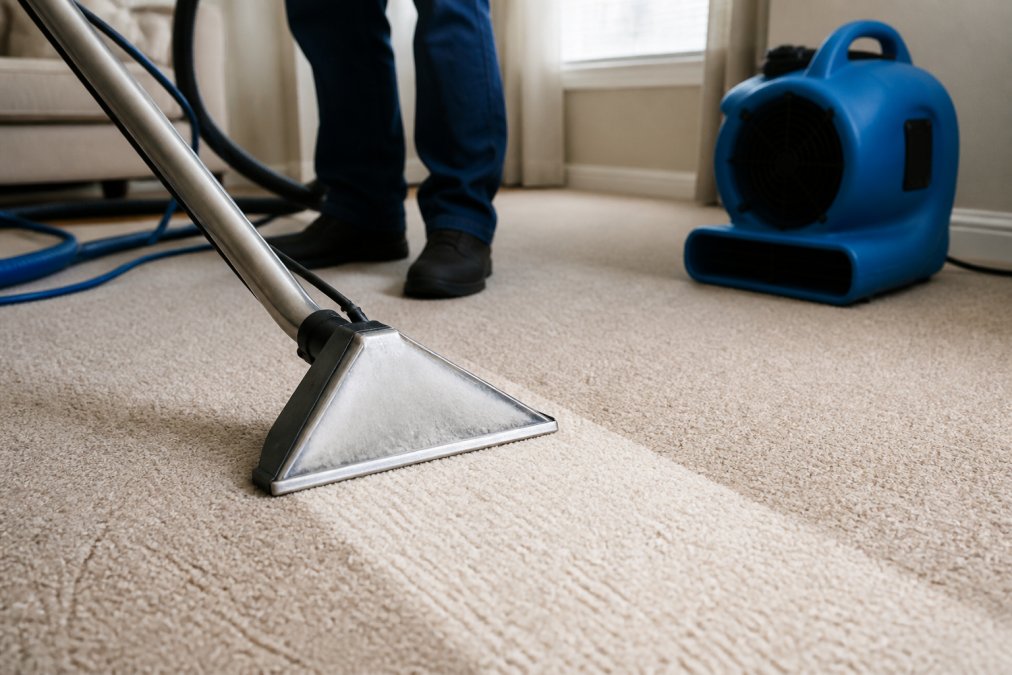
Extraction machines are the workhorses of professional upholstery cleaning. They combine a spray mechanism with powerful suction to inject cleaning solution and remove dirty water simultaneously. Most truck-mounted systems deliver consistent pressure and heat, which accelerates drying and improves stain removal.
Spot treatment tools are smaller, handheld devices designed for targeted work on individual stains. These machines are less powerful than truck-mounted systems but offer precision for problem areas. Many households use portable extraction machines for quick cleanups between professional visits.
The difference in power matters significantly. Truck-mounted systems generate higher suction force, which pulls more moisture from deep within cushion fibers. This translates to faster drying times, often 4-8 hours instead of 24-48 hours with portable equipment.
Truck-Mounted Upholstery Cleaning vs Portable Equipment
Truck-mounted systems represent the professional standard for deep cleaning. These units connect to a truck parked outside your home, with hoses running inside to deliver heated water and extract dirty solution. The power source is the truck's engine, which drives the pump and vacuum motor.
Portable equipment operates independently, running on household electricity. These machines are compact, easy to store, and convenient for spot cleaning. However, they sacrifice power and consistency compared to truck-mounted systems.
Power, Suction, and Drying Time Differences
Truck-mounted systems typically generate 200+ PSI of pressure and suction force exceeding 150 inches of water lift. This combination forces cleaning solution deep into cushion cores and extracts moisture more completely. The heated water also helps dissolve stubborn stains and speeds evaporation.
Portable machines usually deliver 60-100 PSI with suction around 80 inches of water lift. They work adequately for surface cleaning but struggle with deep-set stains or heavy soil. The trade-off is convenience, portable units require no installation and work immediately.
Drying time reflects this power difference directly. Professional truck-mounted cleaning typically leaves upholstery ready to use within 4-8 hours. Portable equipment often requires 24-48 hours for complete drying.
Professional Sofa Cleaning Services vs DIY Approach
Professional sofa cleaning services bring specialized equipment, trained technicians, and accountability. These services include colorfastness testing, fabric analysis, stain identification, and customized treatment plans. Professionals also carry liability insurance and guarantee their work.
When to Call a Professional
Call a professional if your sofa has valuable fabric, delicate construction, or stubborn stains that home cleaning hasn't resolved. Antique pieces, designer furniture, or anything with special finishes warrants professional handling. Deep stains like pet urine, wine, or ink often require professional-grade equipment and expertise.
How Often Should You Clean Upholstery
Cleaning frequency depends on fabric type, household activity level, and whether you have pets or children. Light-use furniture in adult-only homes might need professional cleaning annually. High-traffic pieces in busy households require attention every 6-12 months.
Maintenance Schedule by Fabric Type and Household
Natural fiber fabrics like cotton and linen show dirt more quickly and require more frequent cleaning, typically every 12-18 months professionally. These materials are durable but attract and hold dust visibly.
Key Factors to Consider When Choosing a Cleaner
Selecting the right upholstery cleaner requires matching the product to your fabric code, stain type, and household priorities. Several factors separate effective cleaners from ineffective ones.
Testing for Colorfastness and Fabric Sensitivity
Before applying any cleaner to visible upholstery, test it on a hidden area first. Apply the solution to an inconspicuous spot, inside a cushion cover, along the back seam, or underneath. Wait 24 hours and check for color bleeding, fading, or texture changes.
Safety, Certifications, and Non-Toxic Formulas
Check product labels for certifications that indicate safety and environmental responsibility. Look for Green Seal certification, which verifies that cleaners meet strict environmental and health standards (Standards). The EPA Safer Choice label indicates products with safer chemical formulations (the EPA).
Pet-Safe Formulas and Odor Removal Capability
Pet owners need cleaners specifically formulated to handle urine, feces, and vomit safely. Standard upholstery cleaners often mask odors temporarily without addressing the underlying problem. Pet urine contains uric acid crystals that require specialized treatment to eliminate completely.
| Factor | What to Look For | Why It Matters |
|---|---|---|
| Fabric Code Match | W, S, SW, or X compatibility | Wrong solution damages fabric |
| Colorfastness | Test on hidden area first | Prevents color bleeding |
| Certification | Green Seal or EPA Safer Choice | Ensures safety and effectiveness |
| Pet-Safe Formula | Enzyme-based, uric acid treatment | Eliminates odors completely |
| Suction Power | 150+ inches water lift for pros | Faster drying, better results |
Common Mistakes to Avoid When Selecting a Cleaner
Many people choose upholstery cleaners based on price or convenience rather than compatibility with their specific furniture. This approach leads to disappointing results and sometimes permanent damage.
Frequently Asked Questions
What do professional sofa cleaning services use that I can't use at home?
Professional services use truck-mounted extraction machines with significantly higher suction power than portable equipment, water-based and solvent-based solutions formulated for commercial use, and specialized upholstery attachments designed for deep cleaning without damage. Professionals also understand fabric-specific compatibility and can perform proper colorfastness tests before treating your furniture. Many use non-toxic, green-certified solutions that deliver superior results while protecting your family's health.
How do I know which upholstery cleaning codes my furniture has?
Check the care label sewn into your sofa or chair seams, it will display a single letter code: W (water-based only), S (solvent-based only), SW (both water and solvent), or X (no liquid cleaning). If the label is missing or illegible, contact the furniture manufacturer with your purchase date and model number. Understanding your fabric's upholstery cleaning codes is essential before choosing any cleaner, as using the wrong solution can permanently damage the fabric.
How often should you clean upholstery to maintain it properly?
Light-use furniture in homes without pets or children benefits from professional deep cleaning every 12-18 months, with monthly vacuuming and spot treatment as needed. High-traffic furniture, especially in homes with pets, should receive professional upholstery cleaning every 6-12 months. Spills and stains should be treated immediately with appropriate spot treatment solutions matching your fabric's code to prevent permanent damage and odor buildup.
What's the difference between truck-mounted and portable upholstery cleaning equipment?
Truck-mounted upholstery cleaning systems deliver industrial-grade suction power and consistent water temperature, resulting in faster drying times (4-6 hours vs. 12-24 hours) and deeper stain removal. Portable machines are convenient for small spot treatments but lack the power for comprehensive deep cleaning. Truck-mounted equipment is the industry standard for professional sofa cleaning services because it extracts more moisture and cleaning solution, leaving your furniture cleaner and drier in less time.