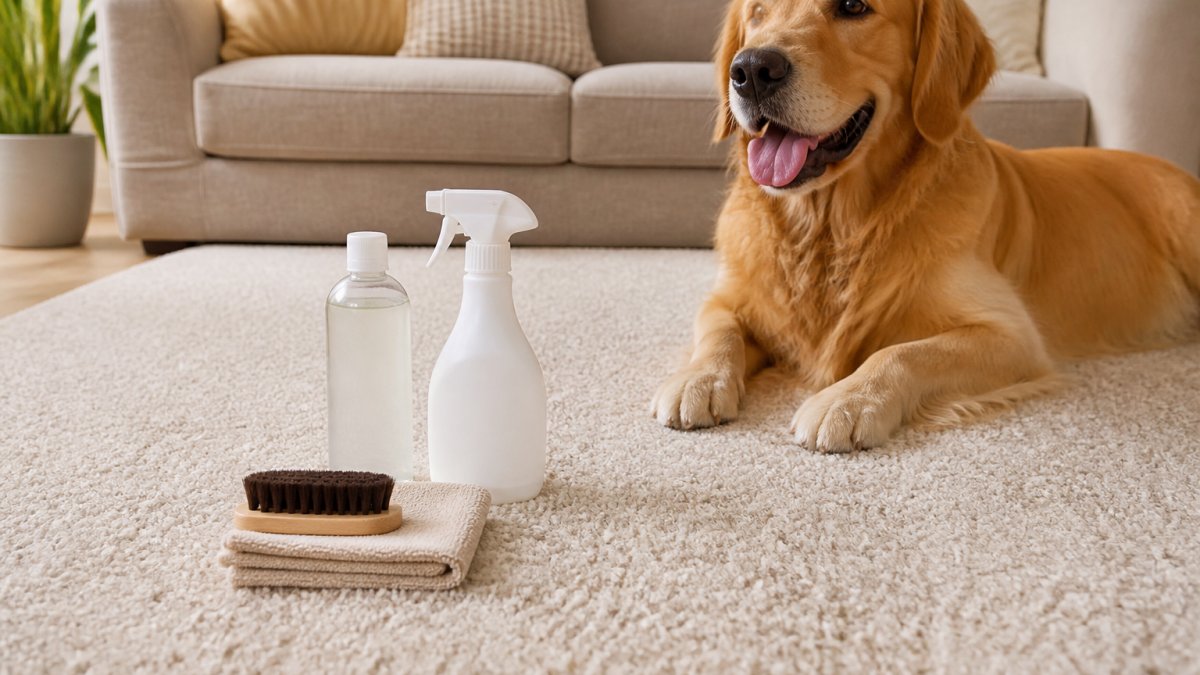
 how-to
How to Prevent Pet Stains on New Carpet
Table of Contents
- Why Pet Stains Happen on New Carpet
- How to Protect New Carpet from Pets
- Pet Training and Accident Prevention
- Immediate Response: What to Do When an Accident Happens
- How to Clean Pet Accidents from Carpet
- Best Pet Stain Remover for Carpet
- How to Remove Pet Urine Odor from Carpet
- When to Call a Professional
- Frequently Asked Questions
Last Updated: October 11, 2026
Why Pet Stains Happen on New Carpet
Learning how to prevent pet stains on new carpet starts with understanding why accidents happen, your pet hasn't adjusted to the new environment yet. New carpet smells and feels different, and your pet may not recognize it as part of their established bathroom territory.
Pets with a history of accidents are drawn back to previous spots, their sense of smell detects residual urine markers humans can't perceive. Without prevention strategies, new carpet becomes vulnerable immediately after installation.
Understanding why accidents happen is the first step toward preventing them.
How to Protect New Carpet from Pets
New carpet requires a two-phase strategy: pre-installation planning and immediate post-installation containment. The first 2-4 weeks are highest-risk because residual installation odors and textures can trigger marking.
Pre-Installation Planning
Before installation, consult your installer about stain-guard treatments and warranty requirements. Some manufacturers offer built-in protection; others require separate treatment. Check your warranty, some treatments void coverage if applied incorrectly or with incompatible cleaning methods.
Ask your installer about fiber stain resistance, approved stain-guard products, post-installation treatment compatibility, and recommended cleaning methods. If your pet has a history of marking, request protection be applied to high-traffic pet areas first.
Immediate Post-Installation Containment (Weeks 1-4)
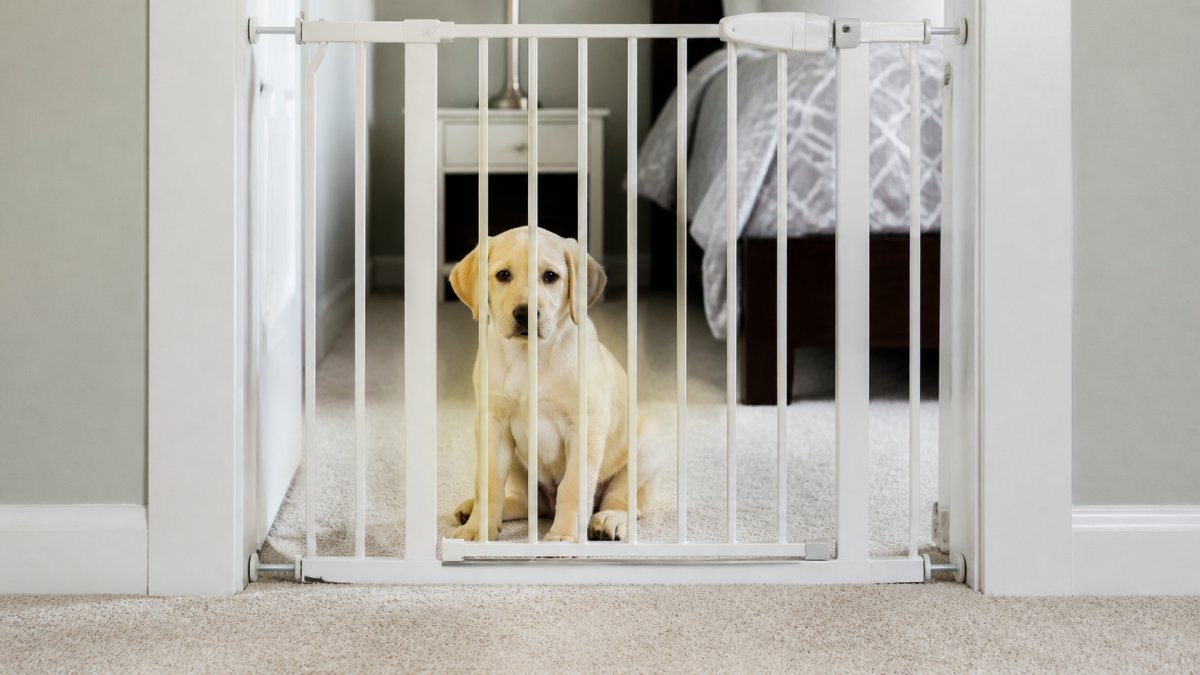
Use physical barriers to limit exposure: pet gates (36+ inches for larger dogs), closed doors, crates, or playpens. Gradually expand access over 2-4 weeks as your pet demonstrates reliable behavior. If an accident occurs, return to containment and extend the timeline.
Carpet Protection Products and Barriers
Washable area rugs, runners, and mats in high-traffic zones (near food bowls and pet beds) protect underlying carpet while remaining easy to clean. These are especially useful for older pets or those with incontinence.
Choose rugs with non-slip backing, use furniture pads under pet beds, and apply post-installation protective sprays after 24-48 hours (test first). Enzymatic pre-treatment sprays on high-risk areas reduce odor attraction. Avoid generic fabric protectors, use only pet-specific products.
Supervision and Routine
Supervise your pet constantly and keep them on a leash if needed to catch warning signs (sniffing, circling, whining). Establish a strict outdoor schedule: first thing in the morning, after meals, after play, before bedtime, and every 2-3 hours during the day. Reward outdoor elimination immediately. If your pet has a history of marking or anxiety, consult your veterinarian about calming supplements.
Pet Training and Accident Prevention
Establish a consistent outdoor schedule: morning, after meals, before bedtime, and every 2-3 hours during the day. Reward outdoor elimination immediately with praise and treats. Watch for signals (sniffing, circling, whining) and respond quickly. Never punish accidents, this increases stress and accidents.
Immediate Response: What to Do When an Accident Happens
Speed matters, faster response prevents odor from setting. Remove solid waste with paper towels. For liquid accidents, blot immediately without rubbing. Blot and absorb (0-5 min), apply cleaning solution (5-15 min), rinse and extract (15-30 min), then allow to dry completely.
How to Clean Pet Accidents from Carpet
Blotting and Absorbing Fresh Stains
Blot immediately with white paper towels or clean cloth (avoid colored towels). Press firmly without scrubbing; repeat with fresh cloth until mostly dry. Sprinkle baking soda over the damp area, wait 5-10 minutes, then vacuum thoroughly.
Treating Dried or Older Stains
Dried stains require more aggressive treatment because the urine has set into carpet fibers and backing. These stains won't respond to simple blotting.
Start by lightly spraying the dried stain with warm water to rehydrate it. Don't oversaturate, just enough to dampen the fibers. Wait a few minutes for the water to penetrate, then apply your chosen cleaning solution.
Let the cleaning solution sit for 10-15 minutes to break down the urine compounds. This dwell time is critical for older stains. After the solution has worked, extract it using a wet-dry vacuum or by blotting with clean cloths.
Process for dried stains:
- Spray lightly with warm water to rehydrate
- Wait 5 minutes for water to penetrate
- Apply cleaning solution and let sit 10-15 minutes
- Extract solution with wet-dry vacuum or clean cloth
- Rinse with plain water and extract again
- Allow carpet to dry completely
Best Pet Stain Remover for Carpet
Enzymatic Cleaners and Pet-Specific Solutions
Enzymatic cleaners break down urine compounds at a molecular level. These cleaners contain natural enzymes that digest the proteins and uric acid in pet urine. They're specifically formulated for pet stains and work better than general-purpose cleaners.
Pet-specific enzymatic cleaners are your best choice for how to prevent pet stains on new carpet by treating accidents before odor becomes permanent.
Look for cleaners labeled specifically for pet urine removal. These products are designed to penetrate carpet fibers and address the root cause of odor, not just mask it with fragrance.
Homemade Cleaning Solutions
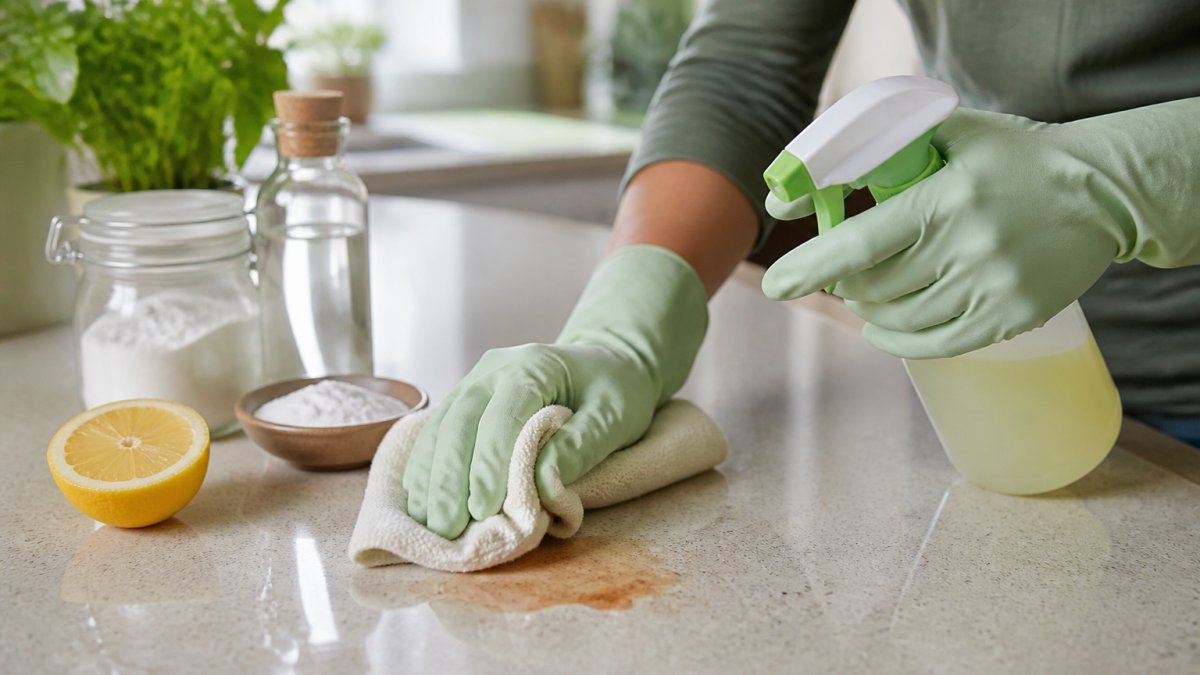
A simple homemade solution using white vinegar and water works well for fresh stains. Mix one part white vinegar with one part warm water in a spray bottle.
The vinegar smell will fade as the carpet dries. This solution helps neutralize urine odor while being safe for most carpet types. However, test it on a hidden area first to ensure it won't damage your carpet.
Another effective homemade option combines dish soap with water. Mix one teaspoon of dish soap with one cup of warm water. Spray onto the stain, wait 5 minutes, then blot with clean cloth.
Homemade solutions to try:
- Vinegar and water: 1:1 ratio, spray and blot
- Dish soap solution: 1 teaspoon soap per cup water
- Baking soda paste: mix with small amount of water for set-in stains
- Hydrogen peroxide: test first, works on light-colored carpet
How to Remove Pet Urine Odor from Carpet
Pet urine odor persists because urine compounds soak into carpet backing and padding. Surface cleaning alone won't eliminate deep odors. You need to address the source by treating the entire depth of the carpet.
Enzymatic cleaners are most effective for odor removal because they break down the compounds causing the smell. Apply the cleaner, allow it to work for the recommended time, then extract thoroughly. Incomplete extraction leaves residue that continues to smell.
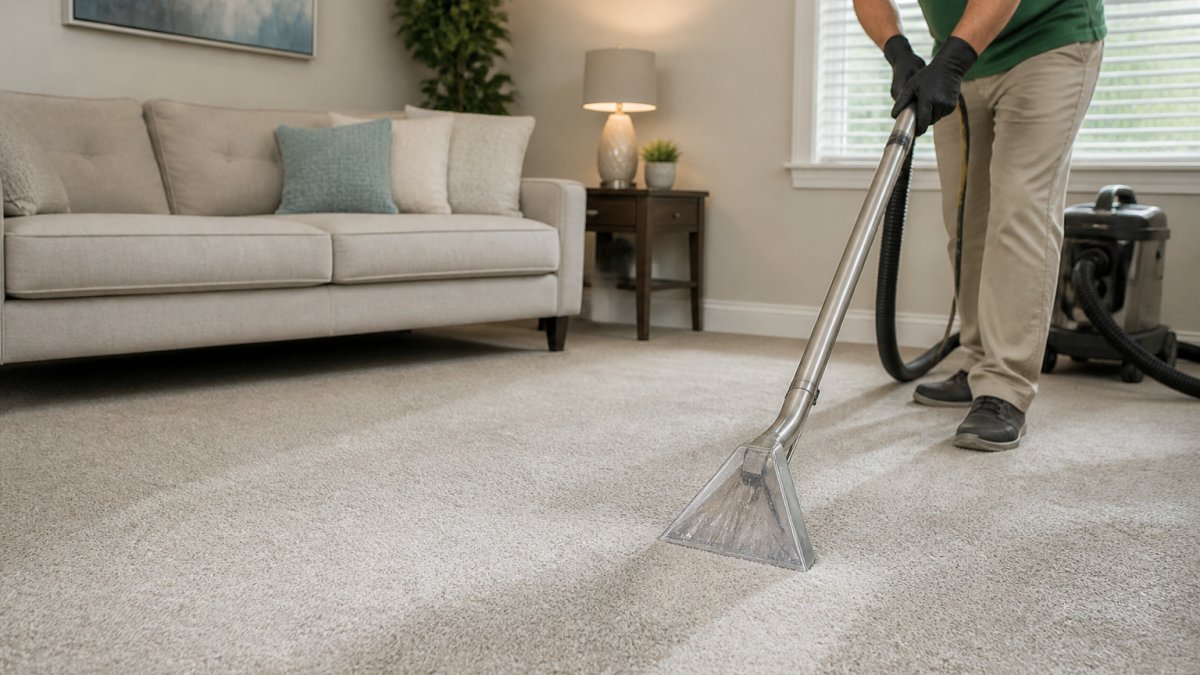
For stubborn odors that won't disappear with DIY methods, professional carpet cleaning becomes necessary. Certified SteemPro uses truck-mounted, oxygen-infused technology that reaches deep into carpet fibers and backing to eliminate odors completely.
Odor elimination steps:
- Identify all affected areas using a blacklight or UV flashlight
- Apply enzymatic cleaner to all stained spots
- Extract solution completely using wet-dry vacuum
- Repeat treatment if odor persists
- Allow carpet to dry completely before sealing
When to Call a Professional
DIY methods work well for fresh accidents and light stains caught within the first few hours. However, once urine penetrates the carpet backing and padding, household equipment cannot extract it completely. Understanding the limits of home treatment prevents wasted time and money on repeated failed attempts.
Signs Urine Has Reached the Underlay
If any of these conditions are present, the damage likely extends below the carpet surface:
- Persistent odor after multiple DIY treatments: Urine compounds in the padding and subfloor continue to off-gas even after the carpet surface appears clean. If odor returns within days of treatment or doesn't fade after 48 hours of drying, the underlay is saturated.
- Visible discoloration that doesn't lift with cleaning: Surface stains may lighten with enzymatic cleaners, but stains in the backing appear as dark patches that remain unchanged. These indicate uric acid crystals have bonded to fibers at depth.
- Soft or spongy carpet texture over the stain area: This signals moisture trapped in the padding. Pressing on the spot releases a damp smell, indicating the padding has absorbed liquid.
- Mold or mildew smell (musty, earthy odor): If the padding stays damp for more than 24-48 hours, mold and mildew begin growing. This smell is distinct from urine odor and indicates the underlay is compromised.
- Stains that reappear after the carpet dries: Urine wicks back up from the padding to the surface as moisture evaporates, creating a "ghost stain." This cycle repeats until the padding is replaced.
- Multiple old stains across large areas: If your carpet has several untreated accidents from weeks or months ago, the padding is likely saturated across multiple zones, and spot treatment won't resolve the problem.
Why Professional Extraction Is Necessary
Professional carpet cleaning equipment differs fundamentally from household wet-dry vacuums:
- Truck-mounted extraction systems use 200+ PSI water pressure and powerful suction (up to 100+ inches of water lift) to force cleaning solution deep into the carpet and padding, then extract it completely. Household vacuums typically operate at 40-60 PSI and cannot reach the backing.
- Hot water extraction (also called steam cleaning) heats water to 200°F+, which breaks down urine compounds more effectively than room-temperature solutions and kills bacteria and mold spores in the padding.
- Specialized pet-odor treatments applied by professionals include antimicrobial agents and enzyme concentrations far stronger than retail products, designed to neutralize uric acid crystals that cause permanent odor.
- Moisture monitoring and drying protocols ensure the padding dries completely within 24 hours, preventing mold growth. Professionals use air movers and dehumidifiers; home drying often takes 48+ hours, allowing mold to establish.
A household wet-dry vacuum removes surface moisture but leaves 30-50% of the liquid in the padding. This residual moisture reactivates the urine smell as the carpet dries, making the problem appear unsolved.
Assessment Checklist: DIY vs. Professional
Call a professional immediately if:
- The stain is older than 1 week and has not responded to enzymatic cleaner and extraction
- Odor persists or returns after DIY treatment and 48 hours of drying
- The carpet feels damp or smells musty over the stain area
- Multiple stains exist across the carpet
- Your carpet is new (less than 2 years old) and you want to preserve the warranty, some warranties require professional cleaning for pet damage
- The accident involved a large volume of urine (e.g., a pet confined to a room for hours)
DIY treatment is appropriate for:
- Fresh accidents (caught within 2-4 hours)
- Light stains with no odor
- Single isolated incidents
- Carpet older than 5 years where warranty is no longer a concern
Warranty and Fiber Considerations
Before attempting any DIY cleaning on new carpet, review your manufacturer's care instructions. Some warranties require that pet stains be treated only with approved products or professional methods. Using unapproved cleaners, excessive water, or heat (such as a steam cleaner on wool) can void coverage.
Certain carpet fibers are more vulnerable to damage from aggressive cleaning:
- Wool and wool blends can shrink or lose luster if over-wetted or exposed to high heat; professional cleaners know the correct water temperature and extraction method
- Silk or specialty blends require enzyme-based cleaners only; vinegar or hydrogen peroxide can bleach or weaken fibers
- Frieze or textured cuts trap moisture in the pile; inadequate extraction leaves water in the base, promoting mold
When in doubt, contact the carpet manufacturer or installer to confirm which cleaning methods are safe before treating a stain yourself.
Frequently Asked Questions
What should you do immediately after a pet has an accident on carpet?
Act fast. Blot the spot with an absorbent cloth or paper towel to remove as much moisture as possible without rubbing. Once you've absorbed the liquid, rinse the area with warm water and blot again. If the accident is old or dried, spray the spot with a cleaning solution and let it sit for 5-10 minutes before blotting. Fresh response prevents stains from setting into carpet fibers and backing.
How can you stop a pet from repeatedly soiling the same carpet spot?
Pets return to spots where they detect residual odor. Complete odor removal is essential. Use an enzymatic cleaner specifically designed for pet urine, these break down the uric acid crystals that cause lingering smells. After cleaning, restrict your pet's access to that area for 2-3 weeks while the carpet fully dries. Consistent bathroom breaks and positive reinforcement during outdoor relief reduce repeat accidents significantly.
Does Scotchgard or similar carpet protection actually protect against pet urine?
Carpet protectors like Scotchgard create a water-resistant barrier that slows liquid penetration, giving you more time to blot before urine reaches carpet backing. However, no protector is completely pet-proof, urine will eventually saturate if not cleaned quickly. These treatments work best as part of a prevention strategy combined with fast response, training, and physical barriers rather than as a standalone solution.
How often should you clean carpet in a home with pets?
Vacuum high-traffic areas 2-3 times per week to remove hair and debris. Spot-clean accidents immediately. Schedule deep professional cleaning every 6-12 months depending on pet activity level, number of animals, and accident frequency. Homes with multiple pets or a history of accidents benefit from more frequent deep cleaning to remove embedded odors and stains before they become permanent.