 ultimate-guide
Safe Carpet Cleaning for Pet Owners: A 2026 Guide
Table of Contents
- Why Safe Carpet Cleaning Matters for Pet Owners
- Pet-Safe Carpet Cleaning Solutions That Actually Work
- How to Remove Pet Urine Odor from Carpet Permanently
- Professional Carpet Cleaning Dry Time for Pets
- Deep Cleaning Methods That Protect Pets and Carpets
- DIY vs. Professional Cleaning: What Pet Owners Need to Know
- Common Mistakes Pet Owners Make When Cleaning Carpets
- Maintaining Healthy Carpets Between Professional Cleanings
- Frequently Asked Questions
Last Updated: September 24, 2026
Why Safe Carpet Cleaning Matters for Pet Owners
Pet accidents happen. What matters is how you respond. A single incident left untreated becomes a permanent problem, and that's where most pet owners go wrong. When urine soaks into carpet fibers and padding, it doesn't just stain, it bonds chemically to the material, creating odors that standard cleaning won't touch. This is where safe carpet cleaning for pet owners becomes essential, not optional.
The stakes are higher than just smell. Pet urine contains uric acid crystals that persist even after the liquid dries. These crystals reactivate when moisture returns, which happens during any standard carpet cleaning. Your pet smells the old accident site and returns to it, creating a cycle that's nearly impossible to break without proper treatment.
We've worked with many pet owners facing exactly this problem. The difference between a temporary fix and a permanent solution comes down to three factors: the cleaning method used, the chemistry of the solution, and the drying time afterward. This guide covers all three, along with practical steps you can take today.
Pet-Safe Carpet Cleaning Solutions That Actually Work
What Makes a Cleaner Pet-Safe
A pet-safe cleaner does two things simultaneously: it removes the stain and odor without leaving toxic residue that harms your animal. This means no volatile organic compounds (VOCs), no harsh chemical surfactants, and no fragrances that mask problems instead of solving them.
The safest cleaners use plant-based ingredients and enzymatic action. Enzymatic cleaners work by breaking down the proteins and organic compounds in pet waste, they don't just cover the problem up. This matters because your pet's nose is 10,000 to 100,000 times more sensitive than yours. A cleaner that smells "fresh" to you might still trigger your dog or cat to re-mark that spot.
Look for cleaners certified by third-party organizations that verify non-toxic ingredients. Green certifications vary widely, so check what's actually being tested. Some certifications only verify that the product biodegrades; others test for toxicity to pets and children. The difference is significant.
Enzymatic Cleaners vs. Chemical Alternatives
Enzymatic cleaners break down organic matter at the molecular level. They work slowly but thoroughly, which is why they're ideal for pet accidents. Chemical cleaners work faster but often leave residue that attracts re-soiling. Your pet smells the chemical residue and treats it as a marker, returning to that spot repeatedly.
The trade-off is time. Enzymatic cleaners need hours to work, sometimes 12 to 24 hours for deep-set urine. Chemical cleaners show results in minutes. But the results don't last. Within weeks, many pet owners find the smell returning because the underlying cause wasn't addressed.
For permanent odor removal, enzymatic action is non-negotiable. The challenge is patience and proper application. The cleaner must stay wet long enough to break down the compounds, which means low-moisture extraction methods work better than saturation-based approaches.
How to Remove Pet Urine Odor from Carpet Permanently
Identifying the Source of the Odor
This step separates successful odor removal from wasted effort. Pet urine doesn't always show up visually, especially on older stains. But it's there, and your pet knows it.
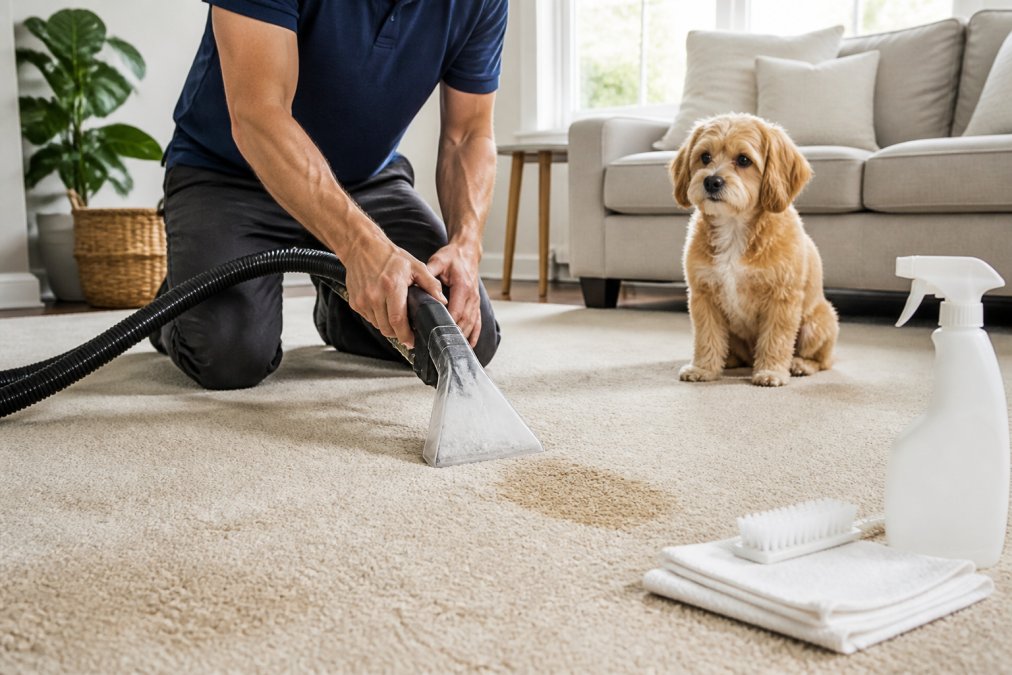
Use a blacklight flashlight in a dark room. Urine fluoresces under UV light, revealing the full extent of the problem. Many pet owners discover that what they thought was a single accident is actually multiple spots across the room. This changes your strategy entirely.
Mark each spot. Take photos. Note the size and severity. Some stains have only affected the carpet fibers; others have soaked through to the padding and subfloor. This determines whether you can clean the carpet in place or need to remove and replace it.
Step-by-Step Odor Removal Process
Step 1: Pre-treat with an enzymatic cleaner. Apply the cleaner directly to the marked areas. Saturate the spot thoroughly, the enzyme needs moisture to work. Follow the product instructions for dwell time, typically 12 to 24 hours.
Step 2: Let it sit. This is where most DIY attempts fail. People apply the cleaner, wait two hours, and extract. That's not enough time for enzymatic breakdown. Set a timer and actually wait the full recommended period. Your pet won't use the spot during this time if the enzymatic cleaner is working, the smell changes as the compounds break down.
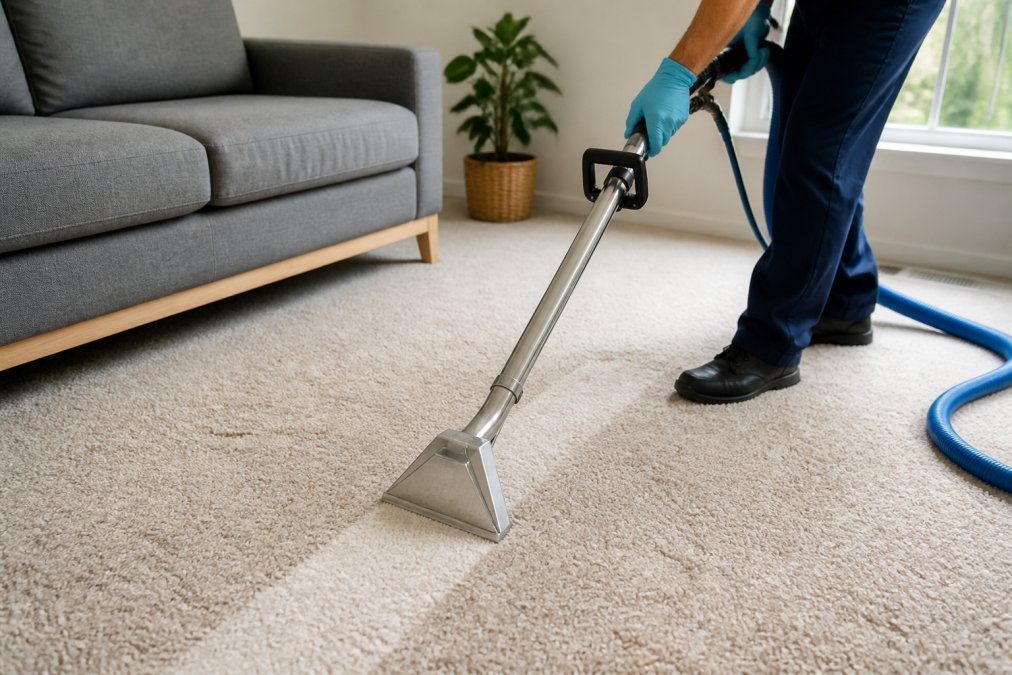
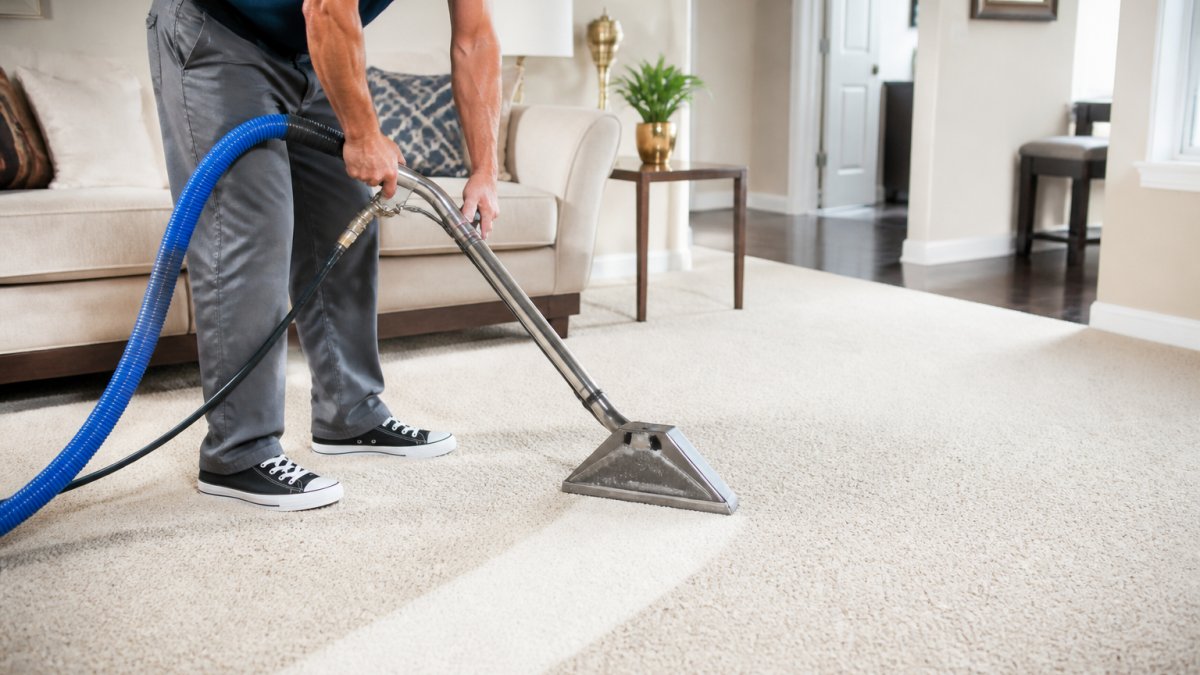
Step 3: Extract with low-moisture method. Use a carpet cleaning machine set to extract mode, not saturate mode. The goal is to remove the broken-down compounds and excess moisture without re-saturating the carpet. Multiple light passes work better than one heavy pass.
Step 4: Dry completely. This is critical. Incomplete drying leaves residual moisture that reactivates remaining uric acid crystals. Air circulation, dehumidifiers, and fans all help. The carpet should feel completely dry to the touch before your pet returns to that area.
Step 5: Verify the result. After 48 hours, use the blacklight again. If the spot still fluoresces, the enzymatic treatment didn't fully break down the compounds. Repeat the process. Some deep-set stains require two or three treatment cycles.
Professional Carpet Cleaning Dry Time for Pets
Why Dry Time Matters for Pet Safety
Wet carpet creates three problems. First, it's a slip hazard for pets and people. Second, residual moisture can reactivate uric acid crystals, bringing odors back. Third, damp carpet becomes a breeding ground for mold and mildew, which pose respiratory risks to pets.
Speeding Up the Drying Process
If you must use the carpet sooner, accelerate drying with these methods. Open windows to increase air circulation. Use fans pointed at the damp areas. Run a dehumidifier in the room. These steps can reduce drying time by 50 percent or more.
Deep Cleaning Methods That Protect Pets and Carpets
Low-Moisture Extraction Cleaning
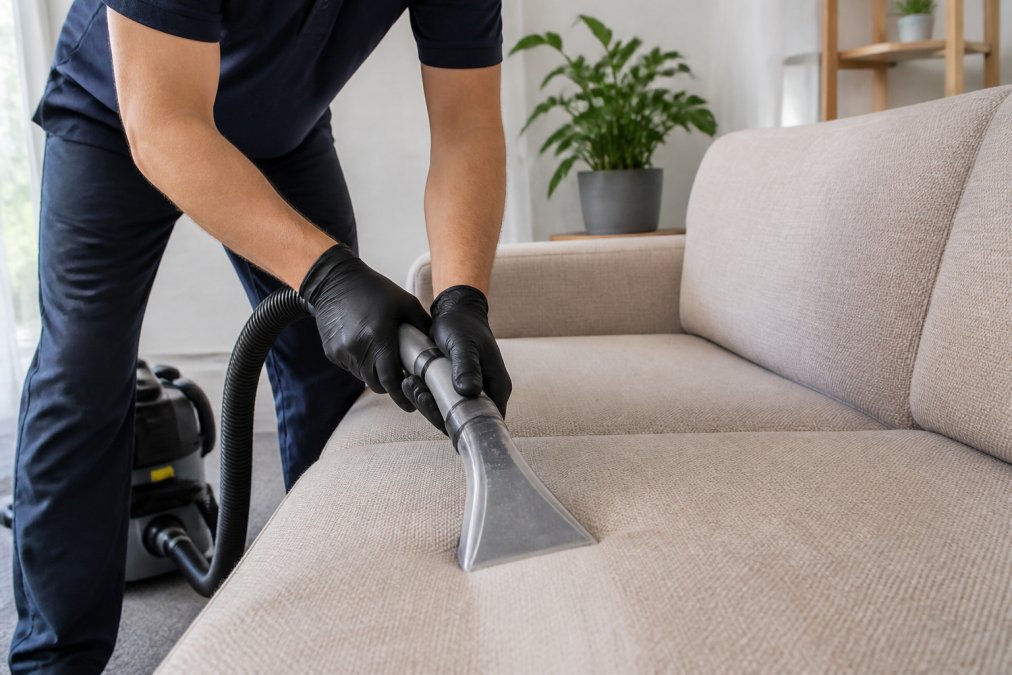
Low-moisture extraction uses minimal water, just enough to suspend dirt and odor compounds, then extracts aggressively. The result is a cleaner carpet that dries quickly. This method is particularly effective for pet odor because it removes compounds without leaving residual moisture that can reactivate problems.
Oxygen-Infused Cleaning Technology
Oxygen-based cleaning is a newer approach that combines mechanical cleaning with oxygen activation. The process uses peroxide-based solutions that release oxygen when activated. This oxygen breaks down organic compounds, including those in pet urine, without harsh chemical residues.
DIY vs. Professional Cleaning: What Pet Owners Need to Know
When DIY Spot Treatment Works
DIY cleaning makes sense for fresh accidents caught immediately. If your pet has an accident and you treat it within hours, a quality enzymatic cleaner and a basic carpet cleaning machine can solve the problem.
When Professional Cleaning Is Worth the Investment
Professional cleaning becomes necessary when DIY approaches have failed, when the odor is widespread, or when the stain has set for months or years. Professional equipment extracts more moisture, drying time is faster, and the chemicals used are often more effective than retail products.
Common Mistakes Pet Owners Make When Cleaning Carpets
Using too much water is the first mistake. Pet owners often over-saturate the carpet, thinking more water means better cleaning. The opposite is true. Excess moisture takes longer to dry, reactivates uric acid crystals, and creates conditions for mold growth.
Maintaining Healthy Carpets Between Professional Cleanings
Vacuum regularly, at least twice weekly in homes with pets. Pet hair, dander, and dirt accumulate quickly. Regular vacuuming prevents these materials from embedding in the carpet fibers and becoming harder to remove later.
Frequently Asked Questions
What is the safest way to clean carpets when you have pets?
The safest approach combines immediate spot treatment with professional deep cleaning. For fresh stains, use enzymatic cleaners that break down urine proteins without toxic chemicals. For long-term odor removal, professional extraction cleaning with pet-safe, non-toxic solutions works best. Keep pets away from the area during cleaning and ensure the carpet dries completely before allowing them back on it. Green-certified, oxygen-infused cleaning methods provide deep cleaning results while keeping your family and pets safe from harsh chemical residues.
What ingredients should pet owners avoid in carpet cleaners?
Avoid cleaners containing ammonia, bleach, phenol, perchloroethylene, and high levels of volatile organic compounds (VOCs). These chemicals can irritate pets' respiratory systems, cause skin reactions, and linger in carpet fibers long after drying. Also skip cleaners with artificial fragrances and dyes that can trigger allergies in sensitive pets and children. Instead, look for plant-based, biobased formulations that are certified non-toxic and hypoallergenic. Always check product labels for third-party certifications confirming safety for pets and children.
How long should pets stay off carpet after professional cleaning?
Most professional cleaning methods require 2-4 hours of drying time before pets can safely return. With low-moisture extraction or oxygen-infused cleaning technology, dry times are typically on the shorter end of that range. During drying, keep pets in a separate area to prevent them from resoiling the carpet and to avoid them ingesting any residual moisture or cleaning solution. Even after the carpet feels dry to the touch, wait until it is completely dry throughout the fibers before allowing normal pet activity. Always ask your professional cleaner for their specific dry-time guarantee and any post-cleaning care instructions.
Are eco-friendly and green-certified carpet cleaners actually safe for dogs and cats?
Yes, when they are genuinely green-certified and use non-toxic, plant-based ingredients. Certified eco-friendly solutions use natural solvents, enzymatic cleaners, and oxygen-based formulas that break down stains and odors without leaving toxic residues. Look for third-party certifications from recognized environmental and safety organizations. The key difference is that these solutions are biodegradable, contain no harmful volatile organic compounds, and are designed to be safe for families with pets and children. Professional cleaners using oxygen-infused, green-certified methods deliver deep cleaning results with the safety profile your family deserves.