 ultimate-guide
Book Professional Tile Cleaning Service: 2026 Guide
Table of Contents
- Why DIY Methods Fall Short on Stained Grout
- What a Professional Tile Cleaning Service Actually Does
- How Long Does Professional Tile Cleaning Take?
- Professional Tile and Grout Cleaning Cost: What Drives the Price
- Tile-Specific Care: Porcelain, Ceramic, and Natural Stone
- Troubleshooting Common Stains and Grout Discoloration
- How to Book a Tile Cleaning Service in 2026
- Frequently Asked Questions
Last Updated: September 16, 2026
Why DIY Methods Fall Short on Stained Grout
Stained grout is soil worked into a porous material, which is why mopping rarely fixes it. This guide from Certified SteemPro covers what a professional tile cleaning service does, what drives the price, and how to book one in 2026.
What a Professional Tile Cleaning Service Actually Does
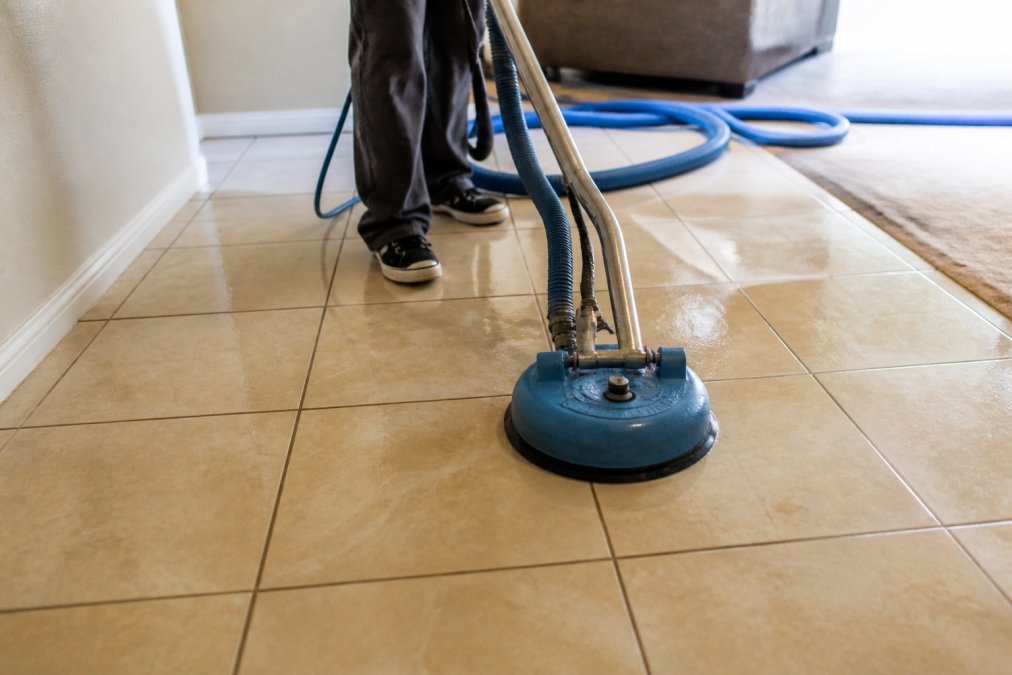
A professional tile cleaning service combines surface agitation, hot water extraction, and sealing to remove embedded soil and slow its return, targeting the grout line specifically rather than just the tile face.
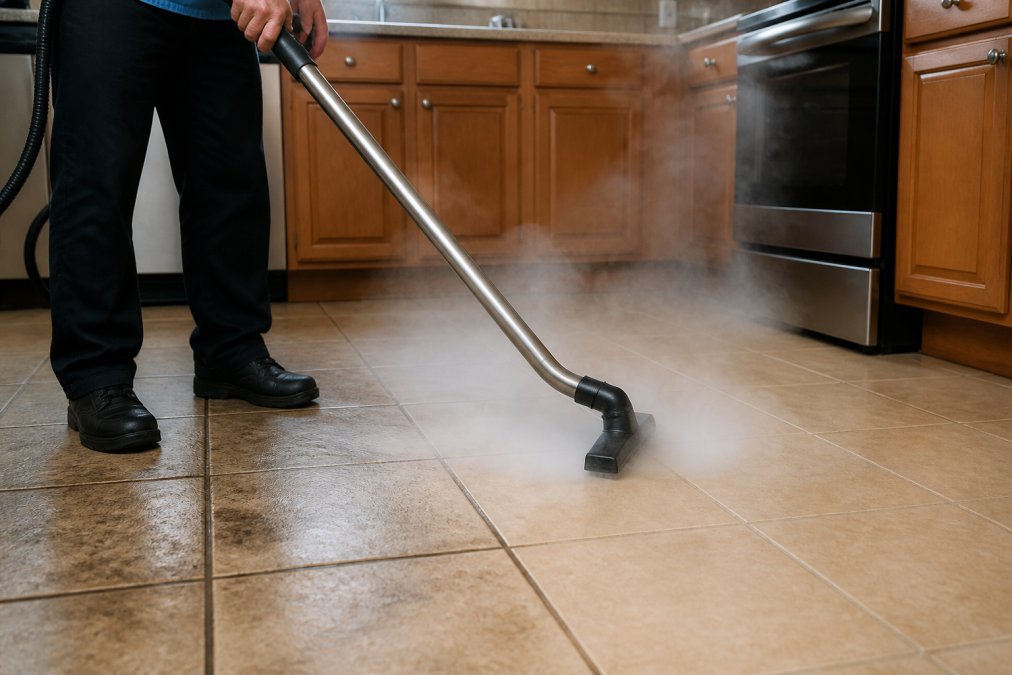
Hot Water Extraction and High-Pressure Steam
Hot water extraction and high-pressure steam do the heavy lifting: the equipment heats water hot enough to dissolve grease and kill mold and mildew, forces it into the grout pores under pressure, then a vacuum head immediately pulls the water and suspended soil back out.
Grout Sealing and Color Sealing for Durable Protection
Sealing keeps the floor clean longer. After extraction, grout is dry and open, ideal for a penetrating sealer to soak in and block future stains. Color sealing goes further: a pigmented sealant coats the grout line and restores uniform color when cleaning alone cannot even it out.
How Long Does Professional Tile Cleaning Take?
Professional tile cleaning typically takes one to three hours for a standard kitchen or bathroom, longer for large open floor plans or heavy soil. Drying adds several hours, and sealing adds more time before the floor can be walked on.
Several factors stretch the timeline:
- Square footage: a small bathroom moves quickly; a whole first floor does not
- Soil severity: black grout takes more passes than lightly dulled grout
- Tile type: natural stone needs gentler methods than porcelain or ceramic
- Sealing: color sealing adds a full additional step and cure time
- Access: furniture, appliances, and tight corners slow the crew down
Professional Tile and Grout Cleaning Cost: What Drives the Price
Most tile cleaning companies hide pricing behind a "call for a quote" button, making it impossible to budget before you book. This section breaks down what actually moves the number so you can compare quotes.
The Base Rate: Square Footage and Minimums
Most providers price by the square foot with a minimum service charge for small jobs. A powder room or hallway often costs more per square foot than a large open floor plan, because the minimum covers mobilization, setup, and equipment time regardless of size. Ask whether a quote is a per-square-foot rate or a flat minimum, the two are not comparable.
The Modifiers That Change the Number
- Soil level. Lightly dulled grout may need one pass. Black, greasy, or moldy grout can need a pretreatment, longer dwell time, and repeat extraction, which multiplies labor.
- Tile material. Porcelain and ceramic tolerate aggressive cleaning. Natural stone such as travertine, marble, or limestone needs pH-neutral solutions and controlled pressure, which slows the crew and raises the price.
- Grout condition. Cracked, missing, or heavily eroded grout may need repair or regrouting before cleaning, which is a separate line item.
- Access and prep. Furniture, appliances, and tight corners add labor. Some providers charge to move heavy items; others require you to clear the space first.
- Sealing. Grout sealing and color sealing are almost always priced separately from the base clean, and color sealing costs more than a penetrating sealer because it is a slower, more detailed application.
Add-Ons Priced Separately
Grout sealing, color sealing, mold treatment, and odor treatment are typically quoted as add-ons. Ask for each as a separate line; a bundled number hides the cost of add-ons you may not need.
How to Read a Quote
A written quote should state the square footage assumed, the cleaning method, whether sealing is included, the drying window, and any conditions that would change the price. The lowest quote is not always the cheapest outcome if it excludes sealing or damages natural stone.
| Factor | What It Affects | Why It Matters |
|---|---|---|
| Square footage | Base labor and equipment time | Larger areas take longer to agitate and extract |
| Minimum charge | Small-job floor pricing | Small rooms cost more per square foot |
| Soil level | Number of cleaning passes | Heavy soil needs pretreatment and repeat extraction |
| Tile type | Cleaning solution and pressure | Natural stone requires pH-neutral, low-pressure methods |
| Grout condition | Repair or regrouting line items | Damaged grout must be fixed before sealing |
| Sealing | Add-on service cost | Penetrating and color sealants are priced separately |
Tile-Specific Care: Porcelain, Ceramic, and Natural Stone
Different tile surfaces need different cleaning approaches, and the wrong one can damage the floor permanently. Porcelain and ceramic are dense and forgiving; natural stone is porous and reactive. Here is the routine and sealant choice for each.
Porcelain Tile
Porcelain is the most forgiving surface: dense, low-absorption, and tolerant of alkaline cleaners and high-pressure steam.
Ceramic Tile
Ceramic behaves similarly to porcelain, though its glaze can chip at edges over time. Standard extraction works well, but the grout line still needs the same sealing attention.
Natural Stone: Travertine, Marble, and Limestone
Natural stone is where DIY mistakes get expensive. Travertine, marble, and limestone are acid-sensitive. An acidic cleaner etches the surface and dulls the finish permanently. Stone needs pH-neutral solutions and controlled pressure.
Penetrating Sealers vs. Topical Sealers
The sealant choice matters as much as the cleaning method. Two families of sealers do different jobs.
- Penetrating sealers soak into the grout or stone and block stains from the inside without changing the appearance. They leave the natural look intact but need periodic reapplication.
- Topical sealers coat the surface and form a film. They can add shine or change the color, but they wear unevenly in high-traffic areas and can peel or yellow.
- Color sealants are a pigmented topical product that restores a uniform grout color. They last longer than a clear topical sealer in high-traffic areas but change the appearance, so they suit only when you want a fresh, uniform color rather than the original grout look.
| Tile Type | Best Cleaning Approach | Key Risk | Sealant Guidance |
|---|---|---|---|
| Porcelain | Alkaline cleaners, high-pressure steam | Low risk; tolerates aggressive cleaning | Tile rarely needs sealing; grout does |
| Ceramic | Standard extraction, grout-focused agitation | Glaze chipping at worn edges | Seal grout; inspect chipped glaze |
| Natural stone | pH-neutral solutions, low pressure | Acid etching and dulled finish | Penetrating sealer; reseal on schedule |
Troubleshooting Common Stains and Grout Discoloration
Most stubborn stains fall into a few recognizable categories, each responding to a different treatment. Identifying the stain saves time and prevents damage.
- Grease in kitchen grout: bonds to the grout and traps dirt. Needs a degreasing agent plus hot water extraction.
- Rust stains: common near metal fixtures and patio doors. Needs a specific rust remover, not a general cleaner.
- Mold and mildew in showers: returns when moisture lingers. Cleaning alone is temporary; sealing and ventilation are the real fix.
- Hard water and soap scum: leaves a cloudy film that builds over time. Needs a descaling treatment.
- Pet accidents on tile and grout: the liquid seeps into grout pores and can carry odor. Extraction plus an odor treatment addresses the source.
How to Book a Tile Cleaning Service in 2026
Booking a tile cleaning service takes four steps: describe the space, request a quote, confirm the scope, and schedule. Doing this well prevents surprises on service day.
- Measure or estimate the area. Note square footage and how many rooms are involved. This is the single biggest driver of cost.
- Describe the condition. Mention mold, black grout, pet stains, or hard water film. Accurate details produce accurate quotes.
- Ask what is included. Confirm whether the quote covers grout sealing, mold treatment, and furniture moving.
- Verify licensing and insurance. A licensed, insured provider protects you if something goes wrong during the job.
- Confirm the drying window. Ask how long the floor needs before foot traffic resumes.
- Request a written quote. Get the scope and price in writing before the crew arrives.
- Schedule and prepare. Clear small items and note any areas that need extra attention.
Frequently Asked Questions
How much does it cost to have your tile professionally cleaned?
The cost of a professional tile cleaning service depends on square footage, tile type, grout condition, and whether you need sealing. Pricing is based on the scope of the job, so most providers offer a free on-site or virtual assessment. Certified SteemPro provides transparent quotes before any work begins, so you know exactly what to expect. Visit their website for current pricing and to request a quote.
How often should you have tile and grout professionally cleaned?
Most homes benefit from professional tile and grout cleaning every 12 to 18 months. High-traffic areas like kitchens, entryways, and bathrooms may need attention every 6 to 12 months. If you have pets or children, or if grout discoloration is visible, schedule sooner. Regular sealing after cleaning extends the interval by protecting porous surfaces from stains and moisture.
Does professional tile cleaning remove permanent stains?
Many stains that appear permanent are actually deep-set soil, grease, or mineral deposits that household cleaners cannot reach. Professional-grade equipment, including high-pressure steam and alkaline cleaners, lifts these residues from porous surfaces. Some dyes or long-standing organic stains may lighten rather than vanish completely. A technician can assess your grout and recommend color sealing if needed.
What is the best way to clean stained grout between professional visits?
For routine maintenance, sweep or vacuum tile floors to remove grit, then mop with a pH-neutral solution. Avoid vinegar or acidic cleaners on natural stone. For spot stains, use a soft brush with warm water and a small amount of mild dish soap. Never scrub aggressively, as this can damage grout. Professional sealing after cleaning makes future upkeep much easier.
Stained grout, lingering odors, and dull tile rarely improve with another round of mopping. Certified SteemPro handles the extraction, sealing, and restoration that DIY methods cannot reach, using non-toxic, green-certified solutions and truck-mounted equipment with fast dry times. If your kitchen or bathroom floor has lost its luster, get a free consultation and a written quote, then submit your request to book professional tile cleaning service with a licensed, insured team.