 ultimate-guide
Best Methods for Deep Cleaning Your Home in 2026
Table of Contents
- What Deep Cleaning Really Means (And Why It Matters)
- Professional Carpet Cleaning Methods That Actually Work
- How to Deep Clean Tile and Grout Like a Pro
- The Best Eco-Friendly Deep Cleaning Supplies and Tools
- How Long Does Professional Deep Cleaning Take?
- Common Mistakes to Avoid When Deep Cleaning
- Conclusion: Build a Deep Cleaning Schedule That Sticks
- Frequently Asked Questions
Last Updated: September 5, 2026
Deep cleaning is the systematic removal of embedded dirt, allergens, and buildup from every surface, going far beyond routine tidying. While standard maintenance focuses on what you can see, deep cleaning targets what accumulates within carpets, upholstery, tile, and grout. At Certified SteemPro, we have spent over 20 years refining these methods, learning that a truly effective approach protects your family's health as much as it restores your home's appearance.
What Deep Cleaning Really Means (And Why It Matters)
A common mistake is confusing regular housework with deep cleaning. Vacuuming and wiping counters manage daily surface debris; deep cleaning is the intensive removal of accumulated soil, bacteria, and microscopic particles from the core of your materials. This distinction matters because hidden buildup affects indoor air quality, a significant concern for families with allergies or chemical sensitivities.
The Environmental Protection Agency notes that indoor air can contain pollutants at levels several times higher than outdoor air, making the removal of embedded contaminants a health priority rather than just an aesthetic one EPA guidance on indoor air quality. The best methods for deep cleaning therefore prioritize not just visible cleanliness but the elimination of what you cannot see. This approach reduces the allergens that trigger reactions and removes the organic matter that feeds dust mites and mildew, creating a genuinely healthier living environment.
Professional Carpet Cleaning Methods That Actually Work
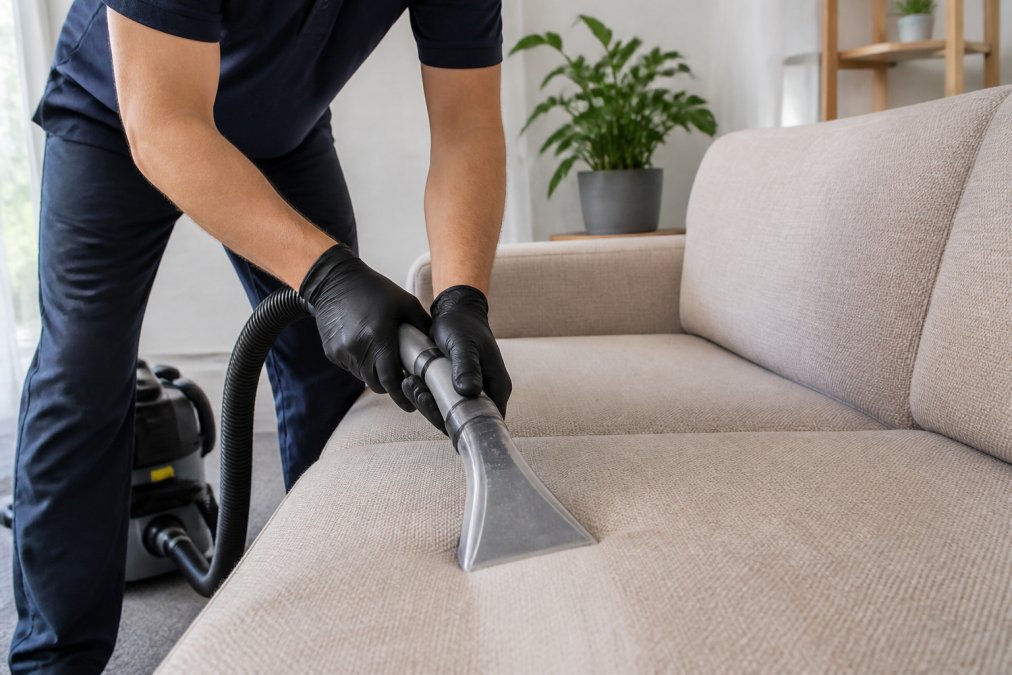
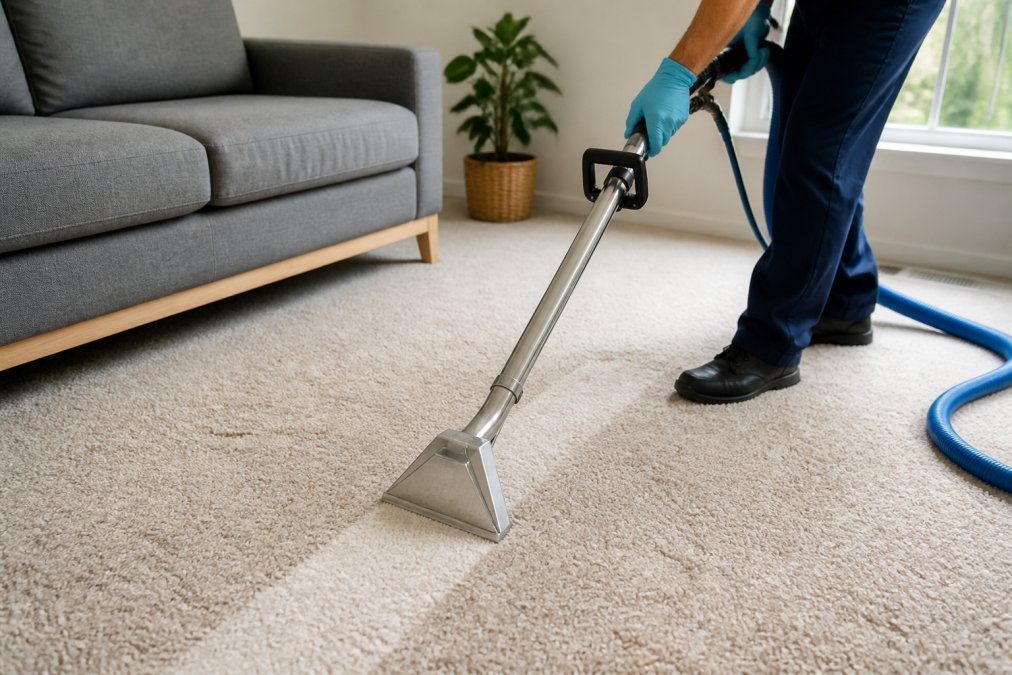
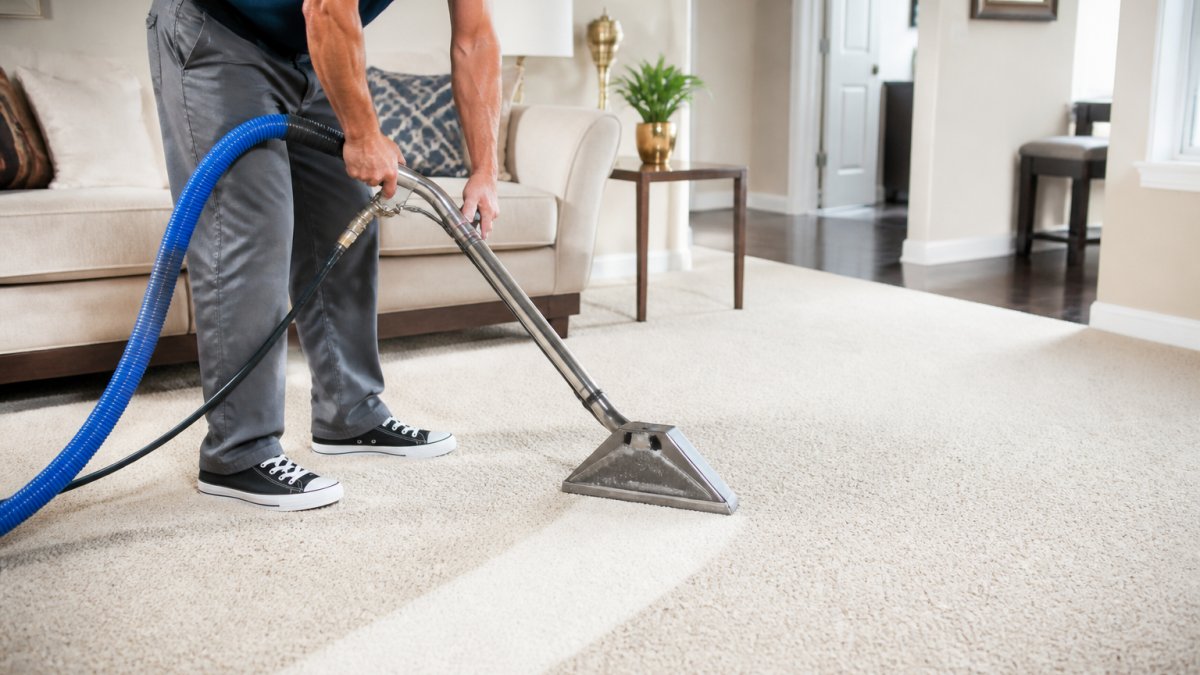
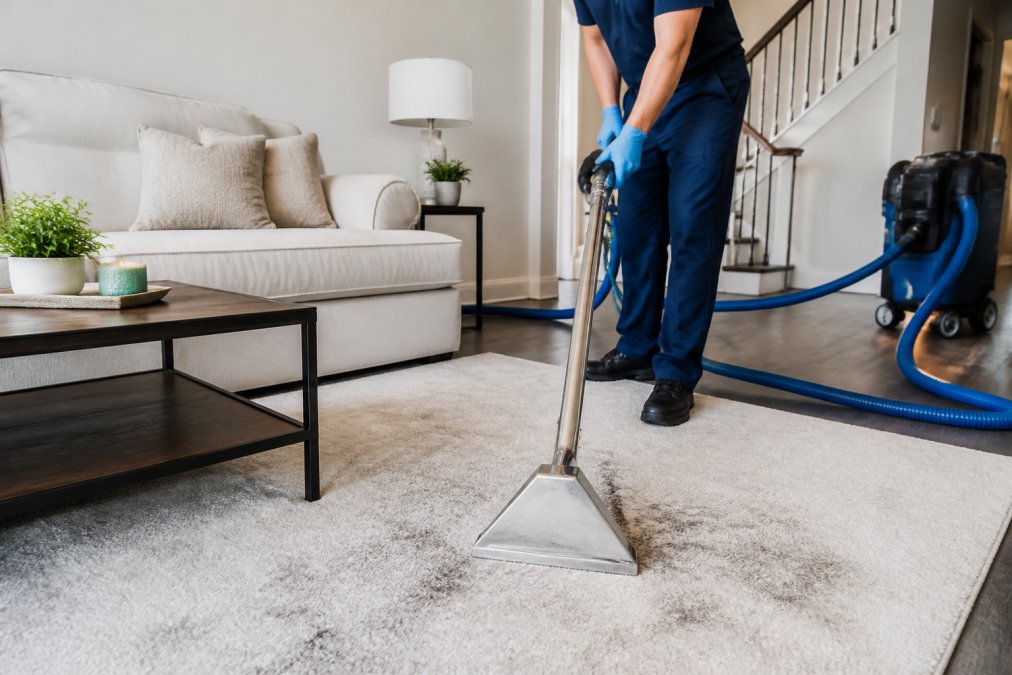
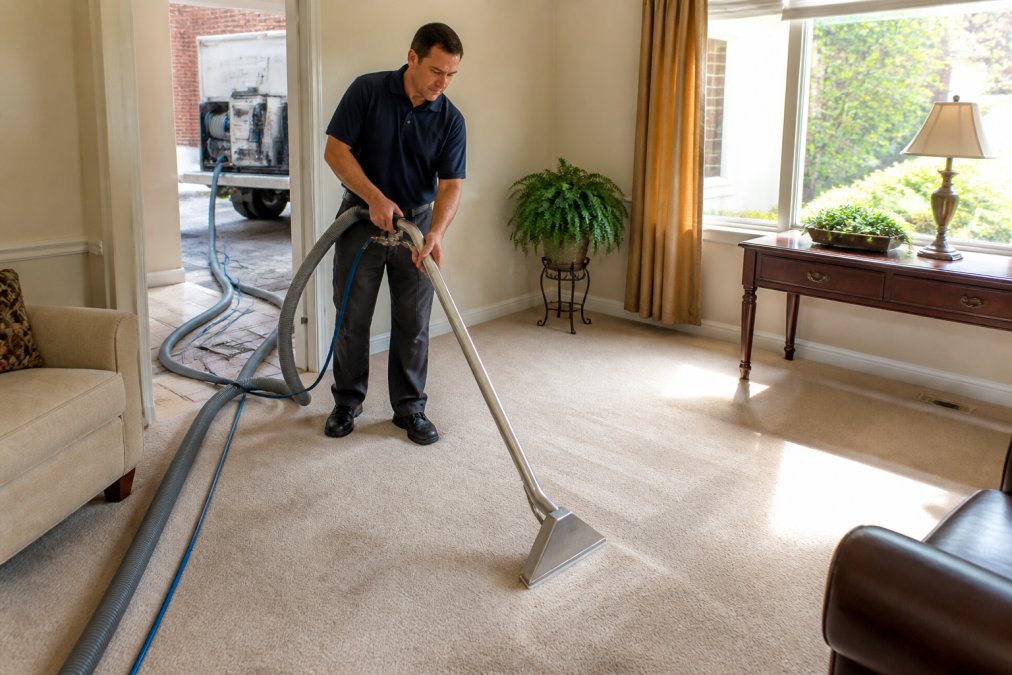
The most effective professional carpet cleaning methods combine hot water extraction with controlled suction to flush out deeply embedded soil. This technique, often called steam cleaning, injects heated solution into the fibers and immediately extracts it with the dissolved dirt, preventing residue buildup that attracts new grime.
Truck-mounted systems represent the gold standard. Unlike portable units, they generate higher water temperatures and stronger suction, translating to faster drying times and more thorough extraction. For homes with pets, this method reaches the lower carpet layers where dander and uric acid crystals settle, addressing persistent odors rather than masking them.
How to Deep Clean Tile and Grout Like a Pro
Deep cleaning tile and grout starts with understanding that grout is porous and acts like a sponge, absorbing oils, soap scum, and dirt that regular mopping cannot remove. A common DIY approach is to apply a baking soda and water paste to the grout lines, scrub with a stiff brush, and rinse thoroughly.
For heavier buildup, many turn to white vinegar and water, but caution is required. Vinegar is acidic and can etch natural stone or degrade unsealed grout. A safer method uses a pH-neutral cleaner or a grout brush attachment on a drill to reduce strain while providing the agitation needed to lift years of residue.
Professional tile and grout cleaning typically uses a rotary machine with a low-moisture scrubber followed by a rinse-and-extract pass. This process removes emulsified dirt rather than pushing it deeper into the pores. After cleaning, applying a high-quality sealer creates a protective barrier that makes future maintenance significantly easier.
The Best Eco-Friendly Deep Cleaning Supplies and Tools
Choosing eco-friendly deep cleaning supplies does not mean sacrificing effectiveness, but a truly sustainable approach extends beyond the product label to how you maintain tools and dispose of waste. The core arsenal includes microfiber cloths, baking soda, hydrogen peroxide, white vinegar, and a pH-neutral detergent, treated as reusable investments, not disposable consumables.
Microfiber is essential because its charged fibers trap dust and bacteria without chemical sprays. However, a dirty cloth loses its charge and can redistribute grime. Wash microfiber separately from cotton items, skip fabric softeners and dryer sheets, and air-dry or use low heat to preserve the fibers. Replace cloths every six to twelve months for optimal performance.
Hydrogen peroxide serves as a powerful yet non-toxic disinfectant and stain remover. For white fabrics and light-colored grout, apply it directly to tackle discoloration without the harsh fumes of chlorine bleach. Store it in its original opaque container, as light exposure renders it ineffective. Baking soda acts as a gentle abrasive for sinks, tubs, and stovetops, and neutralizes odors when left in carpets before vacuuming. Rinse thoroughly after scrubbing to avoid a powdery residue.
Most guides overlook the environmental impact of waste generated during cleaning. Rinse water from mopping and extraction contains dirt, chemicals, and biological matter. Never pour it down storm drains; dispose of it down a household drain connected to a municipal sewer system. Avoid mixing chemicals and pour leftover diluted solutions down the drain with running water. Solid waste, such as used dryer sheets and saturated paper towels, belongs in the regular trash, not recycling, due to contamination.
When tackling a whole-home deep clean, consider ventilation in each room. Proper airflow is important when working with any concentrated solution, especially for those with respiratory sensitivities. Always test any cleaning agent on an inconspicuous area first to prevent damage to finishes.
| Supply | Best Use | Safety Note | Maintenance Tip |
|---|---|---|---|
| Microfiber cloths | Dusting, polishing, streak-free glass | Wash separately to avoid picking up lint | Air-dry to prevent fiber melting |
| Baking soda | Gentle scrubbing, odor neutralization | Rinse thoroughly to avoid powdery residue | Store in a sealed container to prevent clumping |
| Hydrogen peroxide | Disinfecting, whitening grout and fabrics | Test for colorfastness on darker materials | Keep in original opaque bottle away from light |
| White vinegar | Cutting grease, removing hard water spots | Do not use on natural stone or unsealed grout | Dilute with water before disposal down the drain |
| pH-neutral detergent | General hard-surface mopping | Safe for most floors including stone and tile | Rinse mop heads thoroughly after use to prevent residue buildup |
How Long Does Professional Deep Cleaning Take?
The duration of professional deep cleaning depends on the scope of work, number of rooms, and level of soil. As a benchmark, a carpet cleaning session for a standard three-bedroom home typically takes two to four hours, including setup and the drying phase.
Drying time often surprises homeowners most. With truck-mounted extraction, carpets are usually dry within two to four hours, whereas portable machines or over-wetting can leave them damp for up to 24 hours, risking mildew growth. Tile and grout cleaning is faster, usually one to two hours for a large kitchen or entryway, with grout drying within a few hours depending on humidity.
For office managers and retail owners, scheduling professional deep cleaning after business hours avoids downtime. Fast dry times from oxygen-infused, truck-mounted systems mean the space is ready for foot traffic the next morning, minimizing disruption while delivering comprehensive sanitation.
Common Mistakes to Avoid When Deep Cleaning
One of the most frequent errors is over-wetting surfaces. Whether shampooing a rug or mopping tile, too much water can saturate the backing or underlayment, leading to warping, delamination, and mildew. The best methods rely on controlled moisture and powerful extraction, not soaking.
Another critical mistake is using the wrong cleaning agent for the surface. Acidic cleaners on marble, abrasive powders on glossy tile, or harsh chemicals on wool carpets can cause permanent etching, scratching, or discoloration. Checking manufacturer's guidelines and understanding pH levels is non-negotiable.
Skipping the drying phase is also a common pitfall. Leaving carpets damp without proper airflow invites microbial growth. To speed up drying, open windows, run ceiling fans, and use a dehumidifier. Finally, neglecting tool maintenance, such as failing to wash microfiber cloths or replace HEPA filters, reduces effectiveness and can spread dust back into the air.
Conclusion: Build a Deep Cleaning Schedule That Sticks
Deep cleaning is not a one-time event but a maintenance schedule that preserves your home and health. For high-traffic areas and homes with pets, professional deep cleaning every six to twelve months is a practical benchmark, while weekly vacuuming and spot cleaning prevent soil from becoming embedded. The right schedule depends on who lives in your home.
For households with allergy sufferers, the standard biannual schedule is insufficient. The American College of Allergy, Asthma, and Immunology notes that dust mites, pet dander, and mold spores accumulate faster than most realize (acaai.org). In an allergy-conscious home, deep clean bedrooms every three months, focusing on mattresses, pillows, and baseboards. Wash bedding in hot water above 130°F weekly, encase mattresses and pillows in allergen-proof covers, vacuum with a HEPA-filtered unit at least twice per week, and schedule professional carpet extraction every six months (acaai.org).
For immunocompromised households, the stakes are higher, and the schedule shifts toward more frequent disinfection of high-touch surfaces. Door handles, light switches, faucet fixtures, and remote controls should be wiped daily with a hydrogen peroxide-based cleaner, which leaves no toxic residue. A full deep clean should occur monthly, focusing on bathrooms and the kitchen. Professional services should use non-toxic, green-certified solutions, as harsh residues can irritate sensitive airways.
Creating a schedule that works means breaking the task into manageable zones. Instead of deep cleaning the entire house in one exhausting weekend, focus on one room per week, rotating through a top-to-bottom method that includes dusting ceiling fans and baseboards before moving to floors. This prevents burnout and ensures no area is neglected.
For the deepest level of restoration, particularly for carpets with years of embedded pet odors or tile grout that has turned black, professional intervention is the most reliable path. Certified SteemPro uses 100% non-toxic, green-certified solutions with oxygen-infused, truck-mounted technology to deliver deep cleaning results with fast dry times. Get started with Certified SteemPro and request a free quote today.
Frequently Asked Questions
What is the most efficient way to deep clean my house?
Work top-to-bottom and room-by-room. Start with ceilings, fans, and light fixtures, then move to walls and baseboards, and finish with floors. This method prevents dust and debris from settling on surfaces you have already cleaned. Follow a clockwise pattern in each room so you never miss a spot or retrace your steps. Gather all your supplies in a caddy before you begin to avoid wasted trips.
How often should you perform a deep clean?
Most homes benefit from a full deep cleaning two to four times per year. High-traffic households with pets, children, or allergy sufferers may need professional deep cleaning every three to four months. Kitchens and bathrooms need more frequent attention because of grease and moisture buildup. Between deep cleans, maintain a weekly routine of vacuuming, dusting, and wiping down surfaces to extend the results.
What are the best eco-friendly methods for deep cleaning carpets and upholstery?
Hot water extraction with green-certified solutions remains the most effective eco-friendly method for carpets and upholstery. Truck-mounted systems heat water to higher temperatures, which breaks down dirt and odors without harsh chemicals. Baking soda can deodorize between cleanings, and white vinegar works for spot cleaning on many fabrics. Always test any solution on a hidden area first to confirm colorfastness.
How do professional cleaning services differ from standard deep cleaning?
Professional services use truck-mounted equipment that heats water to higher temperatures and extracts with stronger suction than consumer rental machines. This combination removes more embedded dirt, allergens, and residue, and it typically dries faster. Professionals also have specialized tools for grout lines, upholstery, and pet urine odors. A standard DIY deep cleaning is fine for maintenance, but professional methods restore and extend the life of your flooring.
How long does professional deep cleaning take for a typical home?
A professional deep cleaning of carpets in a standard three-bedroom home usually takes two to four hours. Add another one to two hours if tile and grout or upholstery are included. Dry time varies by method and humidity, but truck-mounted hot water extraction typically dries within two to four hours. Ask your provider for a time estimate before they start so you can plan around the schedule.
What is the 5-5-5 rule for cleaning?
The 5-5-5 rule is a time-management framework: spend 5 minutes picking up clutter, 5 minutes wiping surfaces, and 5 minutes sweeping or vacuuming each day. This daily reset prevents messes from compounding into a deep cleaning project. While this rule handles maintenance, it does not replace deep cleaning tasks like scrubbing grout or washing drapes, which target buildup that daily cleaning misses.
Frequently Asked Questions
Q: What is the most efficient way to deep clean my house?
A: Work top-to-bottom and room-by-room. Start with ceilings, fans, and light fixtures, then move to walls and baseboards, and finish with floors. This method prevents dust and debris from settling on surfaces you have already cleaned. Follow a clockwise pattern in each room so you never miss a spot or retrace your steps. Gather all your supplies in a caddy before you begin to avoid wasted trips.
Q: How often should you perform a deep clean?
A: Most homes benefit from a full deep cleaning two to four times per year. High-traffic households with pets, children, or allergy sufferers may need professional deep cleaning every three to four months. Kitchens and bathrooms need more frequent attention because of grease and moisture buildup. Between deep cleans, maintain a weekly routine of vacuuming, dusting, and wiping down surfaces to extend the results.
Q: What are the best eco-friendly methods for deep cleaning carpets and upholstery?
A: Hot water extraction with green-certified solutions remains the most effective eco-friendly method for carpets and upholstery. Truck-mounted systems heat water to higher temperatures, which breaks down dirt and odors without harsh chemicals. Baking soda can deodorize between cleanings, and white vinegar works for spot cleaning on many fabrics. Always test any solution on a hidden area first to confirm colorfastness.
Q: How do professional cleaning services differ from standard deep cleaning?
A: Professional services use truck-mounted equipment that heats water to higher temperatures and extracts with stronger suction than consumer rental machines. This combination removes more embedded dirt, allergens, and residue, and it typically dries faster. Professionals also have specialized tools for grout lines, upholstery, and pet urine odors. A standard DIY deep cleaning is fine for maintenance, but professional methods restore and extend the life of your flooring.
Q: How long does professional deep cleaning take for a typical home?
A: A professional deep cleaning of carpets in a standard three-bedroom home usually takes two to four hours. Add another one to two hours if tile and grout or upholstery are included. Dry time varies by method and humidity, but truck-mounted hot water extraction typically dries within two to four hours. Ask your provider for a time estimate before they start so you can plan around the schedule.
Q: What is the 5-5-5 rule for cleaning?
A: The 5-5-5 rule is a time-management framework: spend 5 minutes picking up clutter, 5 minutes wiping surfaces, and 5 minutes sweeping or vacuuming each day. This daily reset prevents messes from compounding into a deep cleaning project. While this rule handles maintenance, it does not replace deep cleaning tasks like scrubbing grout or washing drapes, which target buildup that daily cleaning misses.