 listicle
Cost of Professional Upholstery Cleaning: 2026 Pricing Guide
Table of Contents
- How Much Does Professional Upholstery Cleaning Cost?
- Upholstery Cleaning Price Per Piece: A Detailed Breakdown
- Why Do Prices Vary? Key Factors That Affect Your Quote
- Professional Couch Cleaning Benefits That Justify the Cost
- Upholstery Cleaning Dry Time: How Long Until You Sit Again?
- Hidden Costs and Upselling Tactics to Watch For
- How to Get an Accurate Quote for Your Furniture
- Frequently Asked Questions
Last Updated: September 6, 2026
How Much Does Professional Upholstery Cleaning Cost?
The cost of professional upholstery cleaning depends on factors like the number of pieces, fabric type, and your region. This guide from Certified SteemPro breaks down the pricing structure so you can budget accurately and avoid paying for services you don't need.
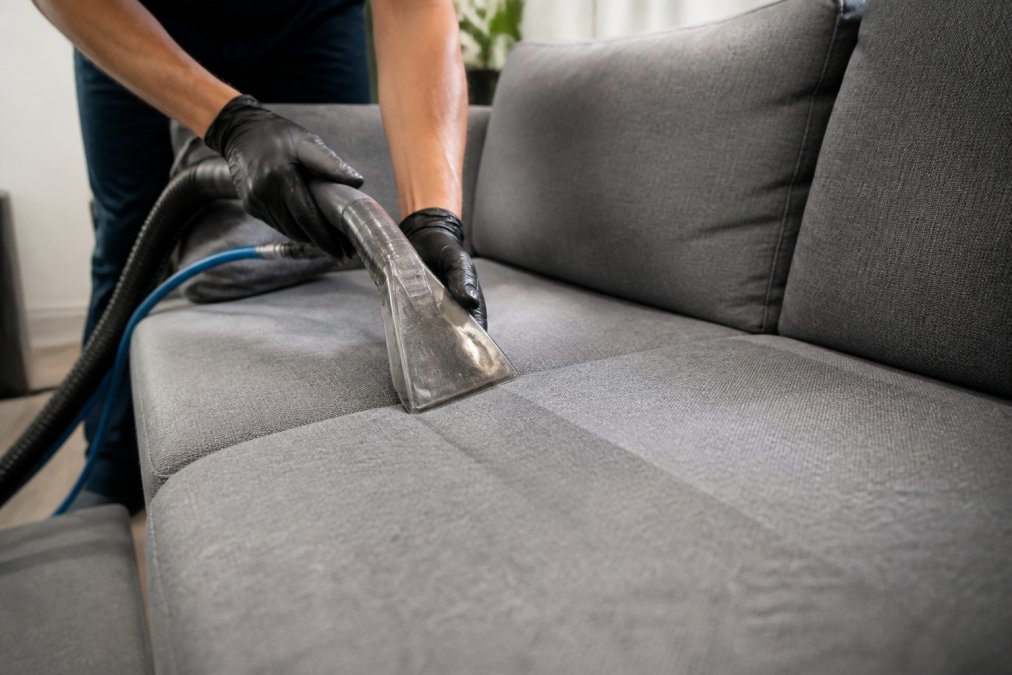
Professional upholstery cleaning removes embedded dirt, allergens, and odors from inner layers of fabric-covered furniture using specialized extraction equipment. Waiting too long between cleanings drives up both the cost and the risk of permanent fabric damage.
Most reputable companies may charge a service call fee, often waived when you schedule multiple pieces or add carpet cleaning. The cost for a standard three-seat sofa cleaning can vary, with regional labor rates in major metro areas potentially pushing it higher.
Upholstery Cleaning Price Per Piece: A Detailed Breakdown
Pricing by the piece is the most common structure. The biggest source of quote confusion is misidentifying what you own, a 'standard' sofa to you might be 'large' to a technician, shifting the price by $50 or more.
How to Measure and Categorize Your Furniture
Grab a tape measure. The industry standard is to measure the width of the seating area from armrest to armrest, not the total length including the arms.
| Category | Width (Seating Area) | What It Typically Looks Like |
|---|---|---|
| Armchair | Under 30" | A single seat with two arms. No chaise, no recliner mechanism. |
| Loveseat | 30" - 50" | Two distinct seat cushions. Often used in a bedroom or small living room. |
| Standard Sofa | 50" - 70" | Three seat cushions. The most common residential sofa. |
| Large Sofa / 4-Seat | 70" - 90" | Four seat cushions or three very wide cushions. Often has a deeper seat depth. |
| Sectional | 90"+ (total length of all connected pieces) | L-shaped or U-shaped. Comprises multiple frames (e.g., a sofa + chaise, or a sofa + loveseat). |
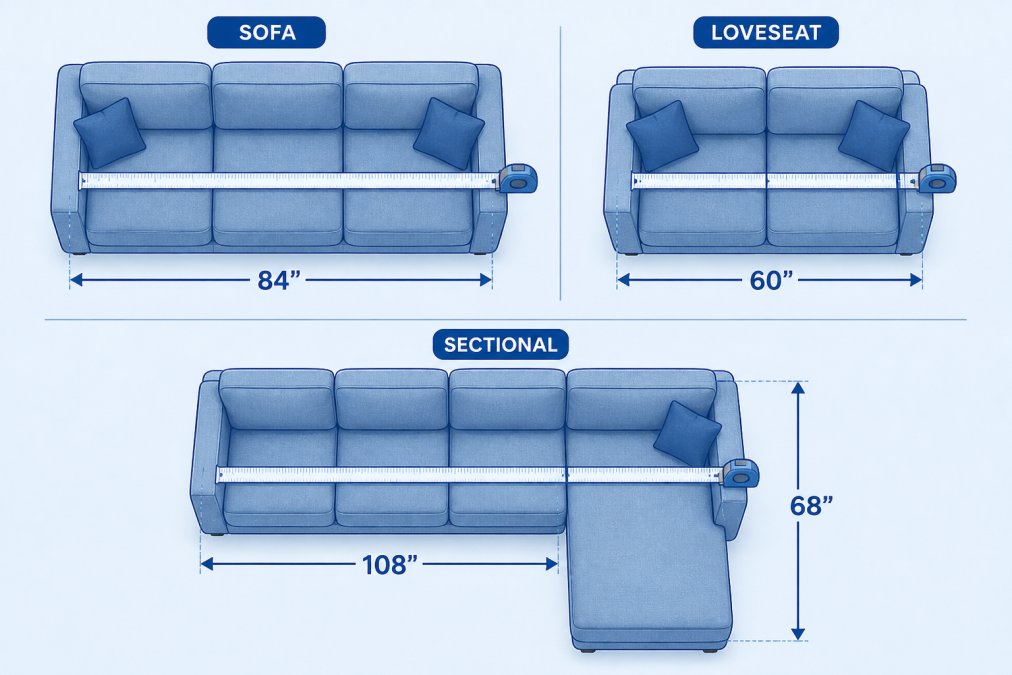
Price Ranges by Category (with the 'Why')
Here are the typical ranges you can expect, and the logic behind each price:
| Furniture Piece | Typical Price Range | What's Included / Why It Costs This |
|---|---|---|
| Armchair | $60 - $100 | Includes the seat, back, and two arms. Price climbs with fabric delicacy (e.g., velvet vs. polyester). |
| Loveseat | $80 - $120 | Two-seat configuration. The price is not double an armchair because the technician is already on-site and the setup time is the same. |
| Standard Sofa (3-seat) | $120 - $180 | The baseline residential quote. Includes all three seat cushions and the backrest. |
| Large Sofa (4-seat) | $150 - $220 | The extra width means more fabric surface area and more time per pass with the extraction wand. |
| Sectional Sofa | $200 - $350 | This is the most misquoted category. A sectional is not one piece; it's multiple frames. A standard L-shaped sectional (sofa + chaise) starts around $200. A large U-shaped sectional with a corner wedge can exceed $350. |
| Ottoman / Accent Chair | $40 - $70 | Often bundled with a larger piece. A standalone ottoman is priced similarly to an accent chair because the labor is similar. |
| Dining Chair (fabric) | $15 - $30 each | Usually discounted when done in sets of 4 or more. The price per chair drops because the technician doesn't need to re-setup equipment between chairs. |
| Recliner (manual) | $75 - $120 | Recliners have moving parts and a metal frame. The technician must clean around the mechanism, which adds time. The footrest is usually cleaned separately. |
| Recliner (power/massage) | $100 - $150 | Requires extra care to avoid getting moisture into the electrical components. Some companies charge a premium for this risk. |
The 'Per Section' Trap on Sectionals
Some providers quote a base price for the main sofa frame, then charge per additional chaise section, corner wedge, or cushion, jumping the final bill 30% to 50%.
Before you agree to a price, ask these three questions:
- Is this quote for the entire sectional as one unit, or is it priced per frame?
- Does the price include the chaise, the corner wedge, and the ottoman if they are part of the set?
- Are all detachable cushions included, or is there a per-cushion charge?
A reputable company gives a flat price for the whole sectional after you describe its configuration. If they hesitate, get the quote in writing.
Why the 'Piece' Model Is Shifting
Some companies are moving to a per-square-foot model, particularly for sectionals and large sofas. If quoted per square foot, ask for the total footage they calculated to verify the math.
Why Do Prices Vary? Key Factors That Affect Your Quote
The price you're quoted is a calculation based on the technician's assessment of risk, labor, and product costs. Understanding these variables helps you ask better questions and recognize when a quote is unrealistically low.
Fabric Type and Condition: The Dominant Cost Driver
The fabric's fiber content and weave dictate the cleaning method, solvent choice, and level of care, the single largest factor separating a $99 special from a $250 quote (cleaninginstitute.org).
| Fabric Type | Typical Price Impact | Why It Costs What It Does |
|---|---|---|
| Polyester / Olefin | Lowest | Dense, colorfast, and resistant to water-based cleaning. Technicians can use aggressive agitation and standard hot water extraction without fear of shrinkage or dye bleed. |
| Microfiber (ultra-microdenier polyester) | Low to Moderate | Cleans well with solvent-based products, but the tight weave requires slower drying. Technicians often charge a small premium for the extra dwell time needed to prevent wicking (water pushing stains back to the surface). |
| Cotton / Linen Blends | Moderate to High | Natural fibers absorb water readily, which means longer dry times and a higher risk of shrinkage if the frame or cushion fill gets saturated. Technicians must use lower pressure and may recommend dry cleaning to protect the integrity of the weave. |
| Wool / Natural Fiber Blends | High | Wool is delicate, prone to felting, and requires pH-balanced solvents (woolmark.com). A mistake can ruin the fabric. The higher price reflects the specialist knowledge and the cost of the specialty chemicals used. |
| Velvet / Chenille | High | These have a pile that can crush or mat if over-wetted or agitated incorrectly. Technicians must use a dry or low-moisture method and finish with a pile brush to restore the nap. This adds labor time. |
| Leather / Faux Leather | Highest per sq ft | Leather is not cleaned with water extraction. It requires a dedicated pH-balanced cleaner followed by a conditioner. Faux leather (PU/PVC) is prone to cracking if the wrong solvent is used. This is a separate service with its own pricing structure. |
The condition of the piece matters more than most realize. Heavy soil, pet urine saturation, or ground-in dirt means more pretreatment passes and a higher chance a stain won't fully lift. Some companies may add a 'heavy soil surcharge' per piece. Be upfront about condition.
Cleaning Method: Steam vs. Dry vs. Low-Moisture
The method is not just a preference; it's dictated by the fabric's cleaning code, which is found on the tag under the cushion. The code tells the technician which solvents are safe:
- W (Water-based): Safe for hot water extraction (steam cleaning). This is the most common and typically the most affordable deep-cleaning method.
- S (Solvent-based): Requires dry cleaning or a low-moisture method. These solvents are often more expensive than water, and the process can be slower, potentially affecting the price.
- WS (Water/Solvent): Can use either, but the technician will choose based on the soil type.
- X (No cleaning): Only vacuuming is safe. A reputable company will refuse to clean this fabric or will require a waiver.
Hot water extraction (steam) is the industry standard for 'W' fabrics, effective and relatively inexpensive (carpet-rug.org). Dry cleaning methods are reserved for 'S' fabrics and priced higher due to solvent cost. Low-moisture encapsulation is faster-drying but less effective on heavily soiled pieces.
Labor, Equipment, and Regional Overhead
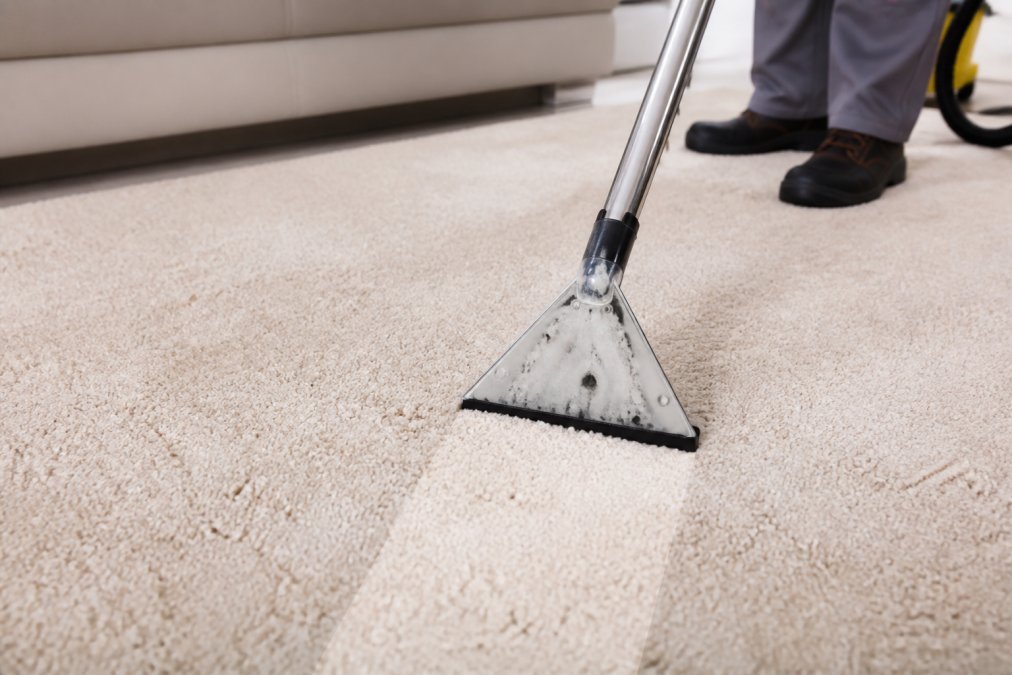
Truck-mounted extraction systems heat water hotter and generate stronger suction, meaning a deeper clean and faster dry times. Companies investing in this equipment (like Certified SteemPro) may price their services to reflect the cost of maintaining such machinery. Portable units are cheaper to operate but leave more moisture behind.
Labor rates in metropolitan areas can be higher than rural regions. When comparing quotes, ensure providers use similar equipment, a low quote from a portable-unit company isn't comparable to a truck-mounted operation.
The 'Why' Behind the Range
The price for a standard sofa can vary. Factors like fabric type, soil level, and the type of cleaning system used can influence the cost.
Professional Couch Cleaning Benefits That Justify the Cost
The benefits of professional couch cleaning go far beyond surface appearance. The cost is an investment in both the lifespan of your furniture and the air quality in your home.
Deep extraction removes allergens, dust mites, and pet dander from inner upholstery layers, critical for households with children, allergy sufferers, or chemical sensitivities. Regular cleaning also prevents fiber breakdown from embedded grit.
Professional cleaning also removes odors: pet urine and biological stains penetrate beyond the surface, and only professional-grade extraction can pull them from cushion foam and fabric backing. Proper maintenance every 12 to 18 months adds years of life to a sofa.
Upholstery Cleaning Dry Time: How Long Until You Sit Again?
With standard steam cleaning, expect 2 to 6 hours for fabric to dry completely, depending on humidity, airflow, and fabric density.
Truck-mounted systems recover more injected moisture than portable units, which is why many providers using this equipment promise dry furniture in 2 to 4 hours. Add fans or open windows, and you can often sit on the couch the same evening.
For delicate fabrics requiring dry cleaning methods, you may be able to use the furniture almost immediately. Ask for a realistic dry time estimate before they begin.
Hidden Costs and Upselling Tactics to Watch For
The phone quote is not always the final price. Fabric protection treatments are the most common upsell, a scotchgard-style application after cleaning for an additional fee. It can be legitimate value for high-traffic homes, but know the price before agreeing.
Other add-ons include deodorizing, pet urine enzyme treatments, and stain-resistant coatings. Ask whether these are included in the base quote. A reputable company itemizes every charge.
Confirm the company is licensed and insured before allowing them to work in your home. If a technician damages furniture or flooring, you want the provider's insurance to cover the claim, not your homeowners policy.
How to Get an Accurate Quote for Your Furniture
Getting an accurate quote starts with knowing what you're asking them to clean. Count your pieces, note the fabric type, and be honest about condition, set-in stains require different treatment than fresh spills.
Most reputable companies offer free in-home estimates, letting the technician inspect fabric codes, existing damage, and problem areas. When you call, ask:
- Does the quote include all cushions, or are there per-cushion charges?
- What cleaning method will be used for my fabric type?
- What is the estimated dry time?
- Are fabric protection and deodorizing included or extra?
- Is the company licensed and insured?
At Certified SteemPro, our 20+ years of experience have shown us that clear communication upfront leads to satisfied customers. Our technicians use oxygen-infused, truck-mounted extraction technology that delivers deep cleaning with fast dry times, and we're transparent about pricing before any work begins.
The cost of professional upholstery cleaning is a worthwhile investment when you understand what drives the price and what you're getting for your money. Certified SteemPro combines 20+ years of experience with 100% non-toxic, green-certified solutions and fast-drying truck-mounted equipment, making us the trusted choice for homeowners who want their furniture genuinely clean without chemical residue. Get started with Certified SteemPro and schedule your upholstery cleaning today.
Frequently Asked Questions
Is it worth getting a sofa professionally cleaned?
Yes, professional upholstery cleaning is worth the cost for most households. Professional couch cleaning removes embedded dirt, allergens, and bacteria that regular vacuuming misses. It also extends the life of your furniture, which saves money on replacement. For homes with pets or children, professional cleaning is the most effective way to remove odors and stubborn stains. If your sofa has visible soiling, smells, or you have allergies, professional cleaning provides results that are hard to match with DIY methods.
How often should you have your upholstery professionally cleaned?
Most manufacturers recommend professional upholstery cleaning every 12 to 24 months for average households. Clean more frequently, about every 6 to 12 months, if you have pets, children, or family members with allergies. Regular professional cleaning prevents dirt from grinding into fabric fibers, which causes premature wear. Between professional cleanings, vacuum your furniture weekly and blot spills immediately to maintain appearance and extend the time between deep cleanings.
Does professional upholstery cleaning remove pet odors and stains?
Professional cleaning does remove pet odors and stains when done correctly. The key is using the right cleaning solutions and extraction equipment. Truck-mounted hot water extraction, for example, flushes out urine and dander from deep within the cushion foam and fabric. A professional service will also treat the area with an enzymatic cleaner to break down odor-causing bacteria. For the best outcome, point out the specific spots during the estimate so the technician can plan the right treatment.
What is the difference between steam cleaning and dry cleaning for furniture?
Steam cleaning, also called hot water extraction, injects hot cleaning solution into the fabric and extracts it with powerful suction. It provides the deepest clean and is ideal for tough stains and odors, but it leaves furniture damp. Dry cleaning uses minimal moisture with specialized solvents that dry quickly, making it a better fit for delicate fabrics like silk or rayon. Each method has different costs and results, so the best choice depends on your fabric type and how soon you need to use the furniture.
How long does it take for upholstery to dry after professional cleaning?
Upholstery cleaning dry time typically ranges from 2 to 6 hours after professional cleaning. The exact time depends on the cleaning method used, the fabric type, and the ventilation in the room. Truck-mounted hot water extraction systems are more powerful than portable units, which means they extract more water and reduce dry times. To speed up the process, open windows, run fans, and turn on your HVAC system to circulate air. Ask your provider about their equipment and expected dry time before they start.