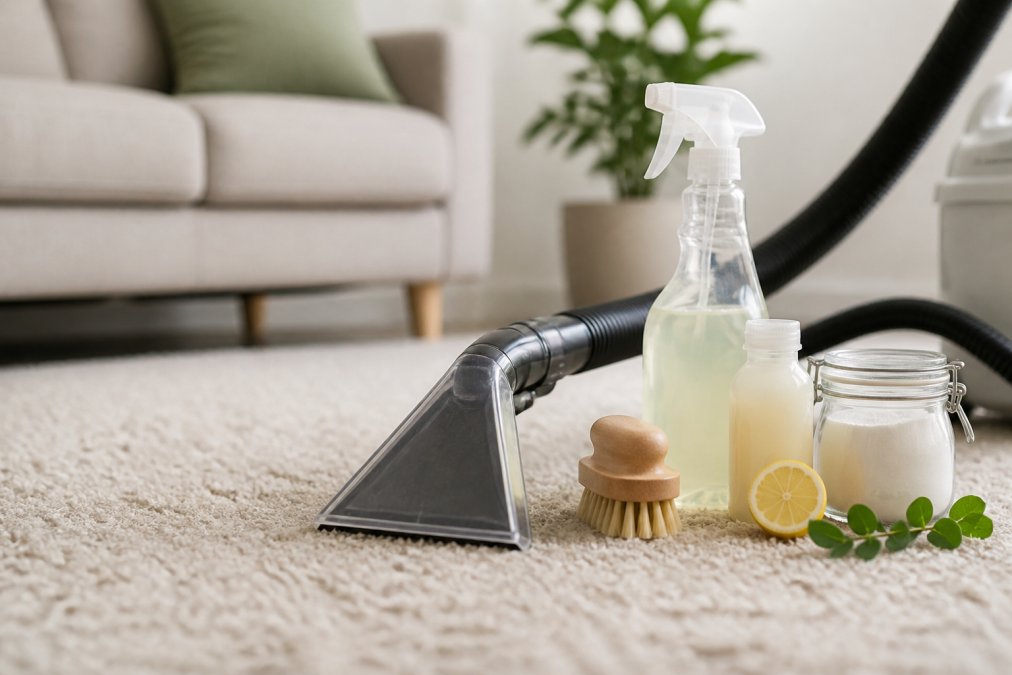
 listicle
Best Eco Friendly Carpet Cleaner Services in 2026
Table of Contents
- How We Found the Best Eco Friendly Carpet Cleaner Services
- What Sets a Truly Eco Friendly Carpet Cleaner Apart
- Non-Toxic Carpet Cleaning Benefits for Your Family
- Pet-Safe Carpet Cleaning Solutions That Actually Work
- Carpet Cleaning Dry Time Expectations: Fast vs. Standard Methods
- DIY vs. Professional Eco-Cleaning: Cost-Benefit Analysis
- What to Ignore When Choosing a Green Cleaning Provider
- Conclusion
- Frequently Asked Questions
Last Updated: September 7, 2026
Finding a cleaning service that genuinely prioritizes your family's health takes more than a quick web search. Many providers slap a green leaf on their van and call it eco-friendly. This guide from Certified SteemPro breaks down what defines a truly safe service, how to spot greenwashing, and what to expect before you book.
How We Found the Best Eco Friendly Carpet Cleaner Services
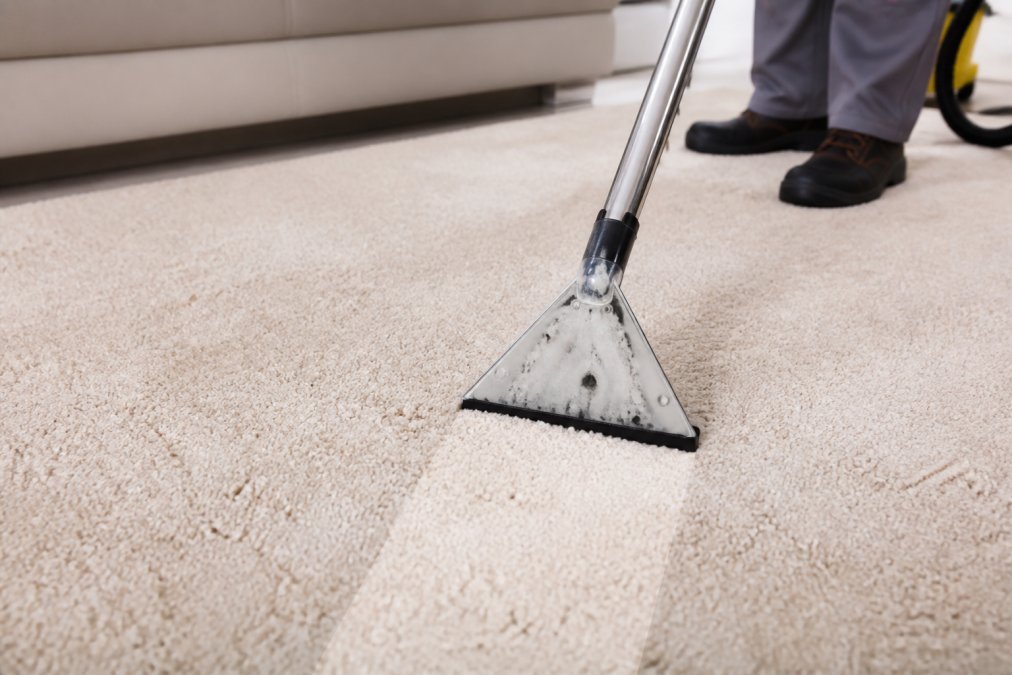
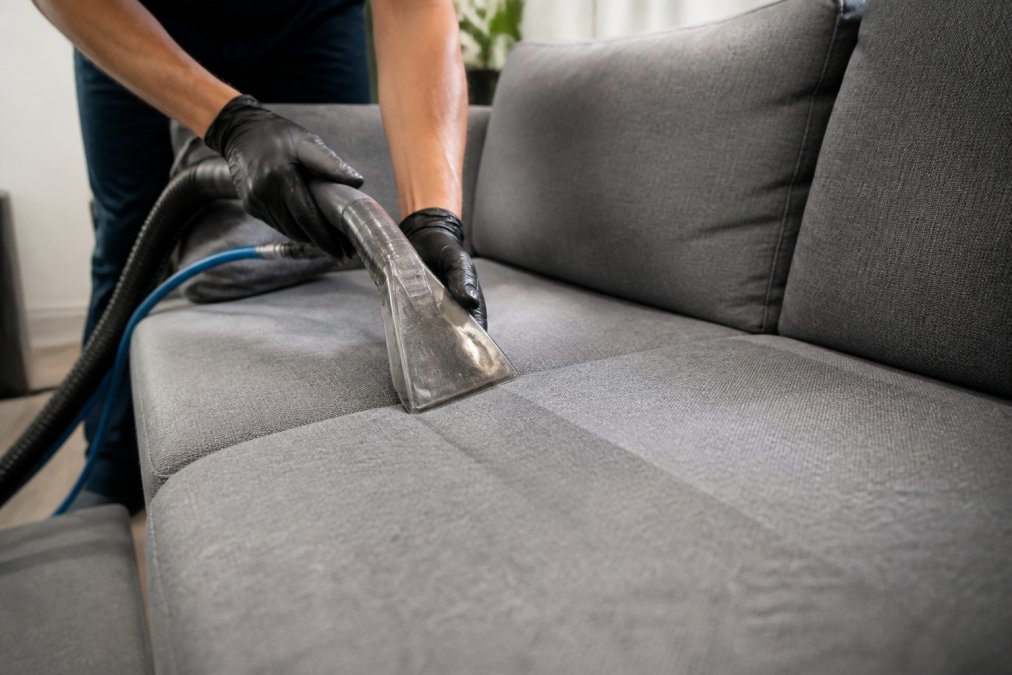
To identify the best eco friendly carpet cleaner services, we evaluated providers on three criteria: the chemistry of their cleaning solutions, their certifications, and their extraction equipment. A truck-mounted system with oxygen-infused cleaning flushes contaminants from deep within carpet fibers, whereas a portable unit often leaves soapy residue that attracts new dirt.
We prioritized companies that use non-toxic, biodegradable solutions and can articulate exactly what is in their bottles. If a company cannot explain its process or products, that lack of transparency is a red flag.
EPA guidance on choosing greener cleaning products confirms that the most reliable way to reduce chemical exposure is to select products with full ingredient disclosure. This standard formed the backbone of our review method.
What Sets a Truly Eco Friendly Carpet Cleaner Apart
The term "green" is not regulated. A genuinely eco friendly carpet cleaner is defined by verifiable actions, not marketing language. The core distinction lies in using solutions free from volatile organic compounds (VOCs), synthetic fragrances, and harsh solvents that off-gas into your indoor air for days.
Ingredient Transparency: What's Actually in the Bottle
True transparency means a provider can tell you exactly what is in the cleaning solution. Look for pH-balanced, biodegradable formulas free from dyes and perfumes. If a company uses proprietary blends, ask if they are third-party certified. A vague answer like "it's all natural" is not sufficient. You want specific terms like "oxygen-powered" or "plant-based surfactants."
But to truly separate a safe service from a greenwashed one, you need to know which specific chemicals to ask about. The most common offenders in conventional carpet cleaning are:
- Perchloroethylene ("perc"): A chlorinated solvent still used in some dry-cleaning and spot-treatment formulas. The EPA classifies it as a likely human carcinogen, and it can persist in indoor air for weeks after application.
- Alkylphenol ethoxylates (APEs): Surfactants that are slow to biodegrade and have been shown to disrupt hormone function in aquatic life. They often appear on labels simply as "surfactants" without further detail.
- Formaldehyde-releasing preservatives: Used to extend shelf life in liquid cleaners. These can off-gas low levels of formaldehyde, a known respiratory irritant, especially in warm, humid conditions.
- Optical brighteners: Dyes that coat carpet fibers to make them appear whiter. They offer no cleaning benefit, can cause skin irritation in sensitive individuals, and are not biodegradable.
A truly eco friendly provider should confirm in writing that their formulas contain none of these. Ask directly about each chemical. A confident "no" with a willingness to show you the Safety Data Sheet (SDS), a legally required document listing chemical ingredients and hazards, is the gold standard.
Certifications That Mean Something
While there is no single national standard for eco-friendly cleaning, certain third-party certifications carry weight. Look for products certified by Green Seal or meeting EPA's Safer Choice criteria. These labels require independent verification of ingredient safety.
Here is what those certifications actually require, so you can evaluate them intelligently:
- EPA Safer Choice: This program reviews every ingredient in a product, not just the active ones. It prohibits carcinogens, reproductive toxins, and ingredients that are persistent or bioaccumulative. Products must also pass performance testing to ensure they actually clean. When you see the Safer Choice label, you know the product has been screened against a list of more than 600 chemicals of concern.
- Green Seal: A broader certification that covers both product ingredients and manufacturing processes. For cleaning products, Green Seal sets limits on pH, VOCs, and specific toxic ingredients. It also requires that the product be concentrated enough to reduce packaging waste. Green Seal certification is often more stringent than Safer Choice on fragrance disclosure.
- USDA Certified Biobased: This label indicates that a product contains a minimum percentage of renewable biological ingredients (typically 25-100%). It is a useful supplement to Safer Choice or Green Seal, but it does not by itself guarantee safety, a product can be biobased and still contain harsh solvents.
One important caveat: these certifications apply to the products, not the service. A company can use a certified green solution and still do a poor job of extraction. Certifications are necessary but not sufficient, pair them with the equipment questions covered later.
The Fragrance Question: Why "Fresh Scent" Is a Red Flag
Synthetic fragrances are a major source of indoor air pollution. A single "fresh linen" or "mountain breeze" scent can contain dozens of undisclosed VOCs. Manufacturers are not required to disclose them on labels due to trade secret protections.
A genuinely eco friendly clean should have virtually no scent after the carpet dries. A lingering fragrance is a sign of chemical residue, not freshness. If you want a light scent, ask for a plant-based essential oil option added only at your request.
The Bottom Line on Distinguishing Real Eco-Friendly Claims
When evaluating a provider, conduct a three-part audit. First, ask for the SDS for every product and scan it for the chemicals listed above. Second, verify any Safer Choice, Green Seal, or USDA Biobased labels on the certifying organization's website. Third, ask about fragrance: a truly non-toxic service defaults to fragrance-free.
A provider who answers all three questions without hesitation is rare. Most stumble on the SDS request or default to vague "plant-based" language. That stumble is your signal to keep looking.
Non-Toxic Carpet Cleaning Benefits for Your Family
Choosing non-toxic carpet cleaning benefits extends beyond a fresh-smelling rug. The primary advantage is protecting indoor air quality. Carpets trap dust, allergens, and pollutants; cleaning them with harsh chemicals risks releasing those trapped particles along with new chemical vapors into the air your family breathes.
For households with children, the stakes are higher. Young children spend significant time on the floor, and their developing systems are more vulnerable to chemical exposure. Non-toxic cleaning also keeps wastewater from the extraction process from introducing harmful pollutants into the local water system.
American Lung Association guidance on indoor air quality highlights that reducing irritants like chemical fumes is critical for those with asthma or allergies. A residue-free, chemical-free clean directly supports better respiratory health.
Pet-Safe Carpet Cleaning Solutions That Actually Work
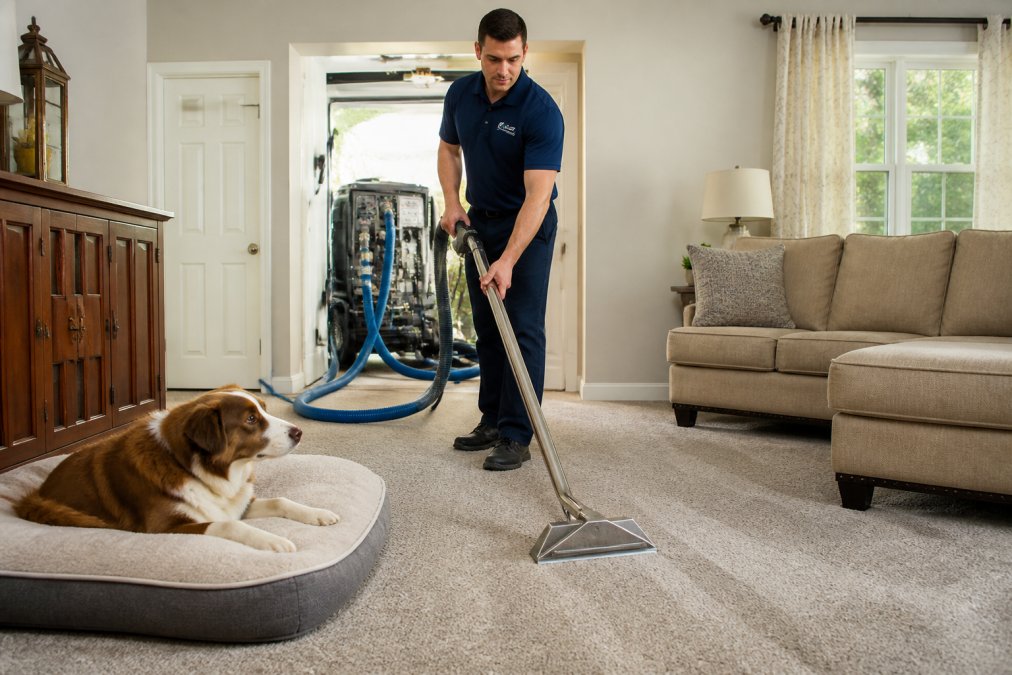
For pet owners, the challenge is removing visible stains and neutralizing odors at the source. Many standard products mask odors with heavy fragrances, which can overwhelm a dog's sensitive nose and encourage re-marking. Pet-safe solutions must eliminate the organic matter causing the smell, not just cover it up.
A professional service using oxygen-infused technology offers a distinct advantage. The oxygen bubbles oxidize and break down uric acid crystals, the root cause of recurring pet smells, without relying on toxic enzyme cocktails that leave sticky residue attracting more dirt.
Enzymes vs. Oxygen: How Odors Get Removed for Good
Understanding enzyme versus oxygen cleaners helps you ask the right questions. Enzyme cleaners digest organic waste but can be slow-acting and leave residue. Oxygen-powered cleaners use a chemical reaction to destroy odor-causing bacteria and lift stains from the fiber.
Oxygen cleaning leaves carpet residue-free and often results in faster drying. The best eco friendly carpet cleaner services use a combination of agitation and oxygen infusion to fully suspend soil for extraction, rather than pushing it deeper into the padding.
Carpet Cleaning Dry Time Expectations: Fast vs. Standard Methods
Standard cleaning methods using excessive water or inadequate extraction can leave carpets wet for 24 hours or more, risking mold and mildew growth. Carpet cleaning dry time expectations should be a primary question before any provider starts.
Truck-mounted systems generate higher heat and stronger suction than portable units, allowing a deeper clean with less moisture left behind. A high-quality service should have carpets dry within a few hours, not days.
| Cleaning Method | Typical Dry Time | Residue Level | Best For |
|---|---|---|---|
| Standard Portable | 12-24 hours | High | Spot cleaning only |
| Truck-Mount (Standard) | 6-12 hours | Moderate | General maintenance |
| Truck-Mount (Oxygen-Infused) | 2-4 hours | Minimal | Deep cleaning, Pet odors |
DIY vs. Professional Eco-Cleaning: Cost-Benefit Analysis
Many homeowners attempt DIY eco-cleaning to save money, but hidden costs often outweigh the savings. Rental machines have weak suction, leaving carpets wetter and dirtier over time. Rental solutions are rarely as concentrated or effective as professional-grade, oxygen-infused formulas, leading to more frequent cleaning.
Professional services bring industrial-grade equipment and expertise that protect your carpet investment. A professional adjusts water temperature, pressure, and cleaning agent to suit your carpet fiber type, preventing damage like shrinkage or fuzzing. Given that a poor DIY job can void your warranty or force early replacement, professional service is a smart investment in carpet longevity.
What to Ignore When Choosing a Green Cleaning Provider
When comparing quotes, ignore certain marketing tactics. Ignore claims of "chemical-free" cleaning, water is a chemical. What you want is a provider who uses non-toxic chemicals safe for your family and pets. Ignore the promise of a "signature scent"; a truly non-toxic clean is fragrance-free, as artificial fragrances are a primary source of VOCs and a common trigger for allergies.
Ignore providers who cannot show you their equipment. If they plan to bring in a portable machine that hooks up to your sink, your results will be noticeably inferior. Be wary of the lowest bid, a price that seems too good to be true usually means they are cutting corners on solution quality or extraction time.
FTC guidance on green marketing claims advises consumers to be skeptical of vague environmental claims that lack specific, substantiated details. Apply that same skepticism to your carpet cleaner.
Here are the specific greenwashing claims to actively ignore, and what to ask instead.
Ignore "Eco-Friendly" Without an SDS
The word "eco-friendly" on a website or truck decal carries no legal weight. The FTC's Green Guides state that unqualified claims like "green" or "eco-friendly" are difficult to substantiate and may be deceptive.
What to do instead: Ask for the Safety Data Sheet for every cleaning product. An SDS is required by OSHA under the Hazard Communication Standard for any product containing hazardous chemicals. If a provider hesitates or says they "don't have those on hand," that is a serious red flag.
Ignore "Chemical-Free" and "All-Natural"
"Chemical-free" is a literal impossibility, every cleaning agent, including water, is a chemical. The FTC's Green Guides caution against "free-of" claims that are technically false. Similarly, "all-natural" is meaningless; arsenic and poison ivy are natural. The term implies safety without evidence.
What to do instead: Ask what specific chemicals the solution does not contain. A credible provider will name specific excluded chemicals. If they cannot, they are hiding behind vague language.
Ignore "Hospital-Grade" or "Medical-Grade" Disinfectants
Some providers tout "hospital-grade" disinfectants as a premium feature. The EPA registers disinfectants as "hospital-grade" based on efficacy against specific pathogens, not safety. Many contain quaternary ammonium compounds ("quats") that are respiratory irritants linked to occupational asthma.
What to do instead: If you need disinfection, ask whether the provider uses an EPA-registered disinfectant that is also Safer Choice certified. If they cannot name one, they are overstating their capability or planning to use harsh chemicals unnecessarily.
Ignore "Dries in 1 Hour" Without Extraction Specs
Fast drying times are a legitimate selling point only when backed by equipment specifications. A provider claiming a one-hour dry time should tell you their water temperature (ideally 200°F or higher), vacuum suction power (15+ inches of water lift being professional-grade), and number of passes per section.
What to do instead: Ask, "What is the water lift rating on your truck-mounted unit?" A quality unit delivers 15-20 inches; portable units deliver 8-12 inches, which is why they leave carpets wetter. If a provider cannot answer, they are likely using a portable unit.
Ignore "Lowest Price Guarantees"
A "lowest price guarantee" often signals that the provider plans to make up the margin by diluting their solution, skipping pre-treatment agitation, or rushing extraction passes. The cost of a genuinely eco friendly clean includes certified green solutions, which are more expensive than conventional detergents, plus the fuel and maintenance for a truck-mounted system.
What to do instead: Ask for a line-item quote specifying the cleaning method, square footage, dry time guarantee, and whether the price includes pre-treatment and deodorizing. A provider who cannot break down pricing is likely to add fees later or cut corners.
The Verification Checklist: What to Ask Before You Book
Here is a five-question checklist to use when calling providers. Write down their answers and compare them side by side.
- "Can you email me the Safety Data Sheets for all products you would use in my home?", A yes within 24 hours is the baseline.
- "Which specific certification does your cleaning solution hold: EPA Safer Choice, Green Seal, or USDA Biobased?", They should name one, not say "we're all natural."
- "Is your cleaning solution fragrance-free, or do you add synthetic scents?", The correct answer for a truly non-toxic service is fragrance-free by default.
- "What is the water temperature and water lift rating on your truck-mounted unit?", Look for 200°F+ and 15+ inches of water lift.
- "What is your dry time guarantee in writing?", A specific commitment (e.g., 2-4 hours) is a sign of confidence in their extraction equipment.
A provider who answers all five questions clearly is rare. Most stumble on the SDS request or default to vague "plant-based" language. That stumble is your signal to keep looking.
Conclusion
Choosing the right service means prioritizing health, transparency, and equipment over a low price or strong scent. The best eco friendly carpet cleaner services use oxygen-infused, truck-mounted technology to deliver a deep clean safe for children, pets, and the planet.
At Certified SteemPro, we are dedicated to creating a healthier home and work environment. Our 100% non-toxic, green-certified solutions combined with advanced truck-mounted, oxygen-infused technology ensure a healthier home without harsh residue or long dry times.
Frequently Asked Questions
Is it worth getting carpets professionally cleaned with eco-friendly solutions?
Yes, especially if you have children, pets, or allergies. Professional eco friendly carpet cleaner services use truck-mounted extraction that removes soil and allergens a rental machine leaves behind. Non-toxic solutions break down residues without harsh chemicals, which helps carpets last longer and keeps indoor air quality higher. If you have set-in stains or odors, professional equipment and technique deliver results that DIY methods rarely match.
Are non-toxic carpet cleaning services as effective as traditional ones?
They are just as effective when the right technology is used. Oxygen-powered and pH-balanced solutions break down organic matter and stains without relying on harsh chemicals. Hot water extraction then flushes everything out, leaving carpets residue-free. The key is the cleaning method, not just the solution. A professional service using truck-mounted equipment and green-certified products will remove ground-in dirt, allergens, and odors effectively.
Do eco-friendly carpet cleaners remove pet stains and odors effectively?
Yes, when the right process is used. Pet-safe carpet cleaning solutions often use oxygen-powered chemistry that breaks down uric acid crystals, which are the source of recurring odors. Standard cleaners may only mask the smell temporarily. A professional service will treat the affected area first, then use hot water extraction to flush out the residue. This combination removes the odor at the source instead of just covering it up.
What should I look for in a green carpet cleaning company?
Ask three questions. First, what specific solutions do you use and can you list the ingredients? Avoid vague terms like 'natural.' Second, what method do you use? Truck-mounted hot water extraction is the industry standard for deep cleaning. Third, are you licensed and insured? Beyond that, check for fast dry times, typically 2 to 4 hours, and a satisfaction guarantee. A company that answers these clearly is more likely to deliver real results.
How often should you have your carpets professionally cleaned?
For most households, every 12 to 18 months is sufficient. Homes with pets, children, or allergy sufferers should schedule cleaning every 6 to 12 months. High-traffic areas may need attention more often. Professional cleaning removes embedded dirt that vacuuming misses, which extends carpet life. If you notice visible soiling, odors, or allergy symptoms flaring up, it is time to schedule a cleaning with a service that uses non-toxic, pet-safe solutions.
Get started with Certified SteemPro and experience a carpet cleaning service that is as safe for your family as it is effective for your floors.